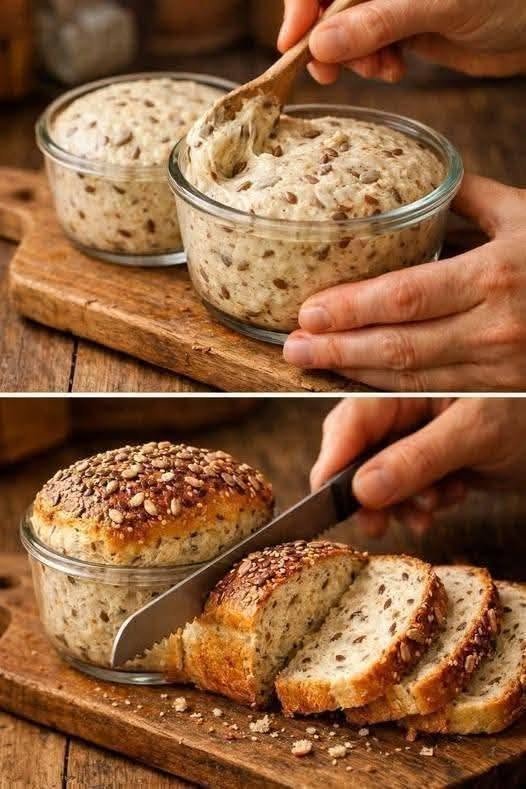
Rye Bread
Rye bread is a classic homemade bread known for its hearty texture, rich flavor, and beautiful golden brown crust. Made with rye flour and simple baking ingredients, this bread has been enjoyed for generations in many parts of the world. It is often served with soups, sandwiches, breakfast spreads, and savory meals. Its slightly earthy flavor makes it different from regular white bread and gives it a unique taste that many people love.
One of the reasons rye bread remains so popular is its versatility. It can be enjoyed fresh from the oven, toasted with butter, or used to make delicious sandwiches. The bread has a satisfying texture that pairs well with a variety of toppings and fillings. Whether served with cheese, meats, vegetables, or jam, rye bread is a wonderful addition to many meals.
Making rye bread at home is easier than many people think. With a few simple ingredients and some patience during the rising process, you can create a loaf that is fresh, flavorful, and far more enjoyable than many store bought options. This recipe is suitable for both beginner and experienced bakers who want to enjoy homemade bread.
Why You Will Love This Rye Bread Recipe
This recipe creates a soft interior with a slightly chewy crust. It uses simple ingredients and provides a homemade flavor that is difficult to match. Rye bread is also very versatile and can be served in many different ways.
The dough is easy to prepare, and the finished loaf can be used for breakfast, lunch, dinner, or snacks. Once you try homemade rye bread, you may find yourself making it regularly.
Cooking Time and Serving
| Details | Time |
|---|---|
| Preparation Time | 20 minutes |
| Rising Time | 2 hours |
| Baking Time | 35 minutes |
| Total Time | 2 hours 55 minutes |
| Servings | 12 slices |
Ingredients
For the Bread
- 2 cups rye flour
- 2 cups bread flour
- 1 packet active dry yeast
- 1 1/4 cups warm water
- 2 tablespoons honey
- 2 tablespoons olive oil
- 1 1/2 teaspoons salt
Optional Ingredients
- 1 tablespoon caraway seeds
- 1 egg for brushing the top
How to Make Rye Bread
Step 1: Activate the Yeast
In a large mixing bowl, combine the warm water, honey, and yeast. Let the mixture sit for about 5 to 10 minutes until it becomes foamy.
Step 2: Add the Wet Ingredients
Add the olive oil and stir gently.
Step 3: Add the Dry Ingredients
Add the rye flour, bread flour, salt, and caraway seeds if using.
Step 4: Mix the Dough
Stir until a rough dough forms.
Step 5: Knead the Dough
Transfer the dough to a lightly floured surface and knead for about 8 to 10 minutes until smooth and elastic.
Step 6: First Rise
Place the dough in a lightly oiled bowl. Cover with a clean towel and allow it to rise in a warm place for about 1 to 1 1/2 hours or until doubled in size.
Step 7: Shape the Dough
Punch down the dough gently and shape it into a loaf.
Step 8: Second Rise
Place the loaf into a greased bread pan or on a baking sheet. Cover and let it rise for another 30 minutes.
Step 9: Prepare for Baking
Preheat the oven to 375 degrees Fahrenheit or 190 degrees Celsius.
Step 10: Brush the Top
If desired, brush the top of the loaf with beaten egg for a shiny crust.
Step 11: Bake
Bake for 30 to 35 minutes until the bread is golden brown and sounds hollow when tapped.
Step 12: Cool
Remove the bread from the oven and allow it to cool completely on a wire rack.
Step 13: Slice and Serve
Slice the bread and enjoy.
Recipe Notes
- Measure the flour accurately for the best results.
- Warm water helps activate the yeast properly.
- Do not use water that is too hot because it can damage the yeast.
- Rye flour creates a denser texture than white flour.
- Caraway seeds add traditional rye bread flavor.
- Allow the bread to cool before slicing.
- Store in an airtight container for freshness.
- Homemade rye bread can also be frozen.
Tips for the Best Rye Bread
Use fresh yeast and high quality flour for the best outcome. Kneading helps develop the structure of the bread, so do not skip this step. If the dough feels too sticky, add a small amount of flour, but avoid adding too much.
Allowing enough time for both rises is important. Proper rising helps create a lighter texture and improves the overall flavor of the bread.
Flavor Variations
Honey Rye Bread
Add an extra tablespoon of honey for a sweeter loaf.
Seeded Rye Bread
Mix sunflower seeds or sesame seeds into the dough.
Garlic Rye Bread
Add garlic powder for extra savory flavor.
Herb Rye Bread
Mix dried herbs such as rosemary or thyme into the dough.
Whole Grain Rye Bread
Replace some of the bread flour with whole wheat flour.
Best Ways to Serve Rye Bread
- Toasted with butter
- Used for sandwiches
- Served with soup
- Paired with cheese
- Topped with avocado
- Served with eggs
- Used for breakfast toast
- Enjoyed with jam or honey
- Served alongside salads
- Used for open faced sandwiches
Storage Tips
Store rye bread in a sealed container or bread box at room temperature for up to 4 days.
For longer storage, wrap the loaf tightly and freeze for up to 3 months. Thaw at room temperature before serving.
Common Mistakes to Avoid
Using Water That Is Too Hot
Hot water can prevent the yeast from working properly.
Adding Too Much Flour
Too much flour can create a dry loaf.
Skipping the Rising Time
Proper rising is essential for texture and flavor.
Slicing Too Early
Allow the bread to cool before cutting.
Using Old Yeast
Fresh yeast helps ensure a good rise.
Frequently Asked Questions
What does rye bread taste like?
Rye bread has a rich, slightly earthy flavor that is different from white bread.
Can I use only rye flour?
Pure rye bread is possible, but combining rye and bread flour often creates a lighter texture.
How do I know when the bread is done?
The loaf should be golden brown and sound hollow when tapped on the bottom.
Can I freeze rye bread?
Yes. Wrap it well and freeze for up to 3 months.
What are caraway seeds?
Caraway seeds are small seeds often used in traditional rye bread recipes.
Why is my bread dense?
Insufficient rising or too much flour can cause dense bread.
Can I make rye bread without a bread pan?
Yes. Shape the dough into a round loaf and bake it on a baking sheet.
How long does homemade rye bread stay fresh?
It usually stays fresh for about 3 to 4 days when stored properly.
Can I make sandwiches with rye bread?
Yes. Rye bread is excellent for sandwiches.
Can beginners make this recipe?
Yes. The steps are simple and suitable for new bakers.
Nutrition Information
Whole Recipe Nutrition Estimate
| Nutrient | Amount |
|---|---|
| Calories | 1950 |
| Protein | 58 g |
| Carbohydrates | 360 g |
| Sugars | 20 g |
| Fat | 32 g |
| Saturated Fat | 4 g |
| Fiber | 28 g |
| Sodium | 3600 mg |
| Calcium | 140 mg |
Nutrition Per Serving
Based on 12 slices.
| Nutrient | Amount Per Serving |
|---|---|
| Calories | 163 |
| Protein | 4.8 g |
| Carbohydrates | 30 g |
| Sugars | 1.7 g |
| Fat | 2.7 g |
| Saturated Fat | 0.3 g |
| Fiber | 2.3 g |
| Sodium | 300 mg |
| Calcium | 12 mg |
Health Benefits of Rye Bread
Rye bread contains fiber and complex carbohydrates that can help provide lasting energy. It is often more filling than many white breads, making it a satisfying choice for meals and snacks. The combination of rye flour and bread flour creates a balanced loaf with a hearty texture and pleasant flavor.
Because it is homemade, you have full control over the ingredients and can adjust the recipe to suit your preferences.
Conclusion
Rye bread is a flavorful, hearty, and versatile homemade bread that can be enjoyed in countless ways. With its rich taste, satisfying texture, and simple ingredients, it is a wonderful addition to any kitchen. Whether served with breakfast, lunch, dinner, or snacks, this homemade loaf offers freshness and flavor in every slice.
By following this easy recipe and allowing enough time for the dough to rise, you can create a delicious loaf that your family and friends will enjoy. Homemade rye bread is a timeless recipe that is worth making again and again.
Disclaimer
This recipe is provided for informational purposes only. Enjoy baked goods in moderation as part of a balanced diet. Nutrition values are estimates and may vary depending on ingredients, brands, and serving sizes. Always check ingredient labels for potential allergens such as wheat, gluten, or other ingredients that may cause allergic reactions. If you have specific dietary concerns or food allergies, consult a qualified healthcare professional before preparing or consuming this recipe.