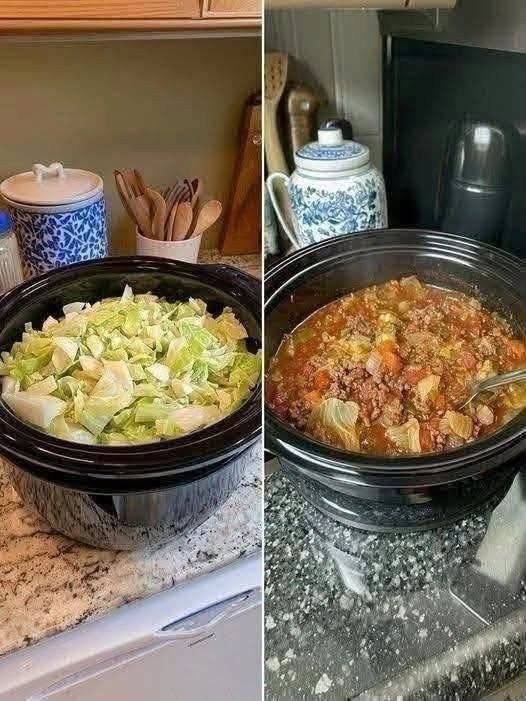
The Best Cabbage Soup Recipe – Cozy, Healthy, and Bursting with Comfort
Introduction: A Bowl of Comfort That Feels Like Home
There are some recipes that don’t need fancy ingredients or complicated techniques to steal your heart. Cabbage soup is one of those timeless classics.
Imagine coming home after a long, chilly day. The kitchen fills with the comforting aroma of simmering garlic, sweet onions, tender cabbage, and fragrant herbs. Steam rises from the pot, carrying hints of tomatoes and vegetables that instantly make your stomach rumble. One spoonful delivers soft, buttery cabbage, perfectly cooked vegetables, and a rich, savory broth that’s both light and deeply satisfying.
This is the kind of meal that reminds us that the simplest ingredients often create the most memorable dishes. Whether your grandmother made a version of cabbage soup every winter or you’re trying it for the very first time, this recipe has a way of bringing people together around the dinner table.
Even better? It’s healthy, incredibly affordable, easy to prepare, and tastes even more delicious the next day. Once you make it, you’ll understand why this humble soup has remained a family favorite for generations.
Why You’ll Love This Cabbage Soup Recipe
This recipe checks every box for a comforting homemade meal.
- 🥬 Ready in about 45 minutes
- 💰 Budget-friendly with inexpensive ingredients
- ❤️ Packed with nutritious vegetables
- 🌱 Naturally vegan and vegetarian
- 🌾 Gluten-free
- 🥣 Great for meal prep
- ❄️ Freezer-friendly
- 👨👩👧 Kid-friendly with mild flavors
- 🥕 Loaded with fiber and vitamins
- 🍲 Easily customizable with your favorite vegetables or protein
Whether you’re looking for a light lunch, hearty dinner, or healthy meal-prep option, this cabbage soup fits perfectly into your weekly menu.
Ingredients (With Exact Measurements)
Main Ingredients
- 2 tablespoons (30 ml / 28 g / 1 oz) olive oil
- 1 large onion, diced (200 g / 7 oz / about 1½ cups)
- 3 garlic cloves, minced (15 g / 0.5 oz)
- 2 medium carrots, sliced (150 g / 5 oz / 1 cup)
- 2 celery stalks, chopped (120 g / 4 oz / 1 cup)
- 1 medium green cabbage, chopped (900 g / 2 lb / about 8 cups)
- 1 can diced tomatoes (400 g / 14 oz)
- 6 cups (1.4 liters) vegetable broth
- 1 tablespoon tomato paste (16 g / 0.6 oz)
- 1 teaspoon dried oregano
- 1 teaspoon dried thyme
- 1 teaspoon paprika
- ½ teaspoon black pepper
- 1 teaspoon salt (adjust to taste)
- 2 bay leaves
- 2 tablespoons chopped fresh parsley
- 1 tablespoon lemon juice (optional)
Optional Add-Ins
- 1 zucchini, diced
- 1 cup green beans
- 1 can white beans
- Cooked shredded chicken
- Brown rice
- Quinoa
Healthy Substitutes
- Replace olive oil with avocado oil.
- Use low-sodium broth for less salt.
- Add sweet potatoes instead of white potatoes.
- Use fresh herbs instead of dried.
- Include kale or spinach for extra nutrients.
Nutritional Information (Per Serving)
Approximate values (based on 6 servings):
| Nutrient | Amount |
|---|---|
| Calories | 165 kcal |
| Protein | 4 g |
| Carbohydrates | 21 g |
| Fat | 8 g |
| Fiber | 6 g |
| Sugar | 9 g |
| Vitamin A | 90% DV |
| Vitamin C | 95% DV |
| Vitamin K | 140% DV |
| Folate | 15% DV |
| Potassium | 16% DV |
Dietary Information
✅ Vegan
✅ Vegetarian
✅ Gluten-Free
✅ Dairy-Free
✅ Low-Calorie
✅ High-Fiber
Kitchen Tools Needed
You’ll only need a few basic kitchen tools.
- Large Dutch oven or soup pot
- Cutting board
- Sharp chef’s knife
- Wooden spoon
- Measuring cups
- Measuring spoons
- Ladle
- Vegetable peeler
- Airtight storage containers
Step-by-Step Preparation
Step 1: Prepare the Vegetables
Wash all vegetables thoroughly.
Dice the onion, slice the carrots, chop the celery, mince the garlic, and roughly chop the cabbage into bite-sized pieces.
Pro Tip: Keep the cabbage pieces slightly larger since they shrink while cooking.
Step 2: Sauté the Aromatics
Heat the olive oil over medium heat.
Add:
- onion
- carrots
- celery
Cook for about 6–8 minutes, stirring occasionally until the onions become soft and translucent.
Add the garlic.
Cook for another 30 seconds until fragrant.
Texture Cue: The vegetables should soften without browning.
Step 3: Build the Flavor
Stir in:
- tomato paste
- oregano
- thyme
- paprika
Cook for 1 minute.
This simple step deepens the soup’s rich flavor.
Step 4: Add the Remaining Ingredients
Pour in:
- vegetable broth
- diced tomatoes
Add:
- cabbage
- bay leaves
- salt
- pepper
Stir well.
Bring everything to a gentle boil over medium-high heat.
Step 5: Simmer
Reduce heat to low.
Cover partially.
Simmer for 30–35 minutes.
The cabbage should become perfectly tender while still holding its shape.
Pro Tip: Stir every 10 minutes to prevent vegetables from sticking.
Step 6: Finish the Soup
Remove the bay leaves.
Stir in:
- fresh parsley
- lemon juice
Taste and adjust seasoning.
The lemon brightens every flavor without making the soup taste sour.
Step 7: Serve
Ladle into warm bowls.
Top with:
- fresh parsley
- cracked black pepper
- grated Parmesan (optional)
- fresh herbs
Serve immediately while steaming hot.
Expert Cooking Tips & Mistakes to Avoid
1. Don’t Overcook the Cabbage
Overcooked cabbage becomes mushy and loses its fresh flavor.
Cook just until tender.
2. Use Good Broth
Since broth is the foundation of the soup, choose a high-quality vegetable or chicken broth.
Homemade broth delivers even richer flavor.
3. Taste Before Serving
Vegetables absorb salt while cooking.
Always adjust seasoning at the end.
4. Add Fresh Herbs Last
Fresh parsley loses its bright flavor if cooked too long.
Always stir it in right before serving.
5. Don’t Skip the Onion and Garlic
These ingredients create the soup’s rich savory base.
Without them, the soup may taste flat.
6. Let It Rest
Cabbage soup tastes even better after sitting for 20 minutes because the flavors continue blending.
Variations & Customizations
Spicy Cabbage Soup
Love a little heat?
Add:
- 1 teaspoon crushed red pepper flakes
- chopped jalapeño
- cayenne pepper
- smoked paprika
Top with sliced fresh chili.
Healthy Protein Version
Make it more filling by adding:
- chickpeas
- lentils
- white beans
- shredded chicken
- turkey
These additions increase protein while keeping the soup wholesome.
Kid-Friendly Version
Children often prefer softer textures and milder flavors.
Try:
- adding small pasta shapes
- using less pepper
- blending part of the soup for a creamier consistency
- topping with shredded cheddar cheese
Low-Carb Keto-Friendly Version
Skip the carrots and tomatoes.
Add:
- cauliflower
- mushrooms
- spinach
- zucchini
Increase olive oil slightly for healthy fats.
Storage & Reheating Instructions
Refrigerator
Allow the soup to cool completely.
Store in an airtight container.
Keeps fresh for 4–5 days.
Freezer
Freeze in portion-sized containers.
Lasts up to 3 months.
Leave about an inch of space at the top since liquids expand when frozen.
Best Reheating Method
Stovetop
Heat over medium-low for 8–10 minutes, stirring occasionally.
Microwave
Heat for 2–3 minutes.
Stir halfway through for even heating.
If the soup thickens after storage, simply add a splash of broth or water.
Serving Suggestions
This hearty cabbage soup pairs beautifully with simple sides that complement its fresh, savory flavors.
Serve it with:
- Warm crusty artisan bread
- Garlic bread
- Grilled cheese sandwich
- Buttered dinner rolls
- Cornbread
- Fresh garden salad
- Caesar salad
- Roasted vegetables
- Brown rice
- Quinoa
For a finishing touch, garnish each bowl with fresh parsley, cracked black pepper, a squeeze of lemon, or a sprinkle of Parmesan cheese if you’re not keeping it vegan.
Frequently Asked Questions
1. Can I make cabbage soup ahead of time?
Absolutely! In fact, it often tastes even better the next day as the flavors have more time to meld together.
2. Can I freeze cabbage soup?
Yes. Let it cool completely, then freeze it in airtight containers for up to three months. Thaw overnight in the refrigerator before reheating.
3. Is cabbage soup good for weight loss?
It can be a great addition to a balanced eating plan because it’s low in calories, high in fiber, and very filling. Pair it with adequate protein and other nutritious foods to create satisfying meals.
4. Can I add meat?
Definitely. Shredded chicken, lean ground turkey, sausage, or diced beef all work wonderfully.
5. Why does my cabbage taste bitter?
Older cabbage can sometimes have a stronger, slightly bitter flavor. Using fresh cabbage and finishing the soup with a splash of lemon juice helps balance the taste.
6. Can I use red cabbage?
Yes, but keep in mind that it will turn the broth a deep purple color and has a slightly earthier flavor than green cabbage.
7. How can I make the soup thicker?
For a heartier texture, blend a cup or two of the soup and stir it back into the pot, or add cooked potatoes, beans, or lentils to naturally thicken it.
Final Thoughts
Sometimes the most satisfying meals are also the simplest. This cabbage soup proves that a handful of everyday vegetables can transform into something deeply comforting, nourishing, and full of flavor. Whether you’re making it to warm up on a cold evening, stock your freezer with easy meals, or enjoy a wholesome dinner with family, this recipe is one you’ll return to again and again.
Every spoonful offers tender vegetables, a savory herb-infused broth, and the kind of homemade goodness that never goes out of style. Better yet, it’s adaptable to your tastes, easy on your budget, and packed with nutrients that make you feel as good as it tastes.
Try This Recipe Today!
If you make this cozy cabbage soup, I’d love to hear how it turned out! Leave a comment below with your favorite additions or family twists, rate the recipe, and share it with friends and loved ones who enjoy comforting homemade meals. Don’t forget to bookmark this recipe for busy weeknights—it just might become your new go-to soup for every season. Happy cooking! 🥣🥬