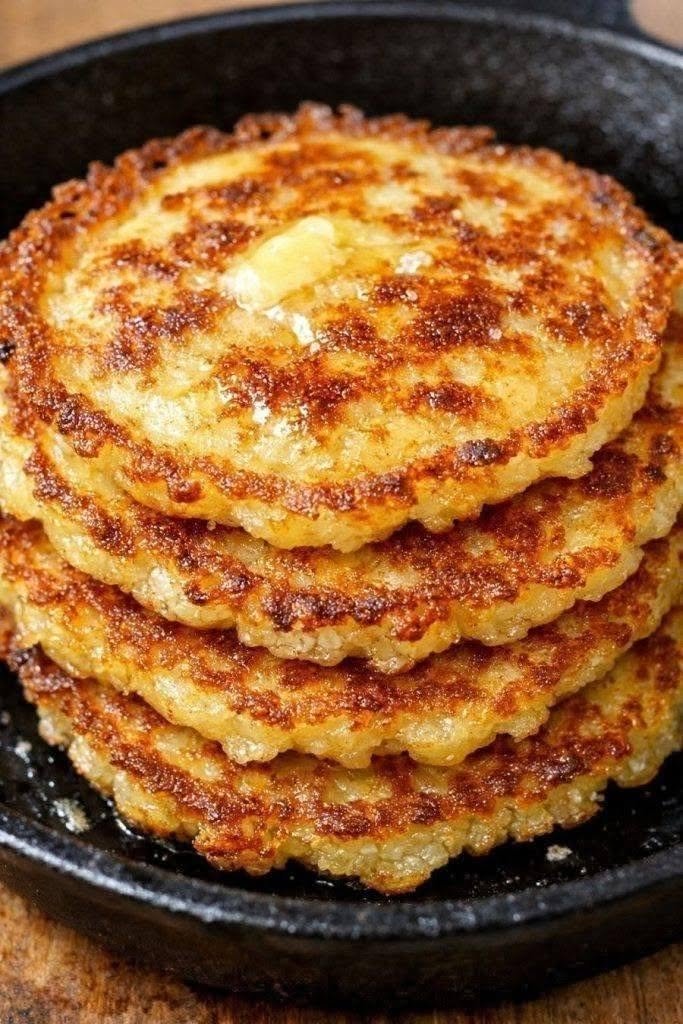
Fluffy Pancake Recipe: The Easiest, Fluffiest Pancakes from Scratch
Introduction: A Stack of Pancakes Worth Waking Up For
There are mornings when only a tall, golden stack of fluffy pancakes will do.
Picture this: the kitchen is quiet, the coffee is brewing, and the first pancake hits a warm skillet with a soft sizzle. Within minutes, the air smells of buttery vanilla and warm, lightly toasted flour. You flip it and reveal a beautiful golden-brown surface. Cut into the center and—there it is—the texture you were hoping for: tender, airy, and cloud-soft.
Then comes the best part. A little butter melts into the warm stack while maple syrup slowly drips down the sides, pooling on the plate. One bite is sweet, buttery, comforting, and wonderfully light.
This easy fluffy pancake recipe is designed for exactly those mornings. You don’t need fancy ingredients, complicated techniques, or professional cooking skills. Just a bowl, a skillet, and a few simple pantry staples can turn an ordinary breakfast into something everyone gathers around the table for.
Whether you’re making pancakes for a lazy Sunday breakfast, a birthday morning, or simply because Tuesday deserves better, these homemade pancakes are guaranteed to bring smiles.
Why You’ll Love This Fluffy Pancake Recipe
- Extra fluffy: Baking powder and gentle mixing create light, airy pancakes.
- Easy to make: The batter comes together in about 10 minutes.
- Budget-friendly: Most ingredients are inexpensive pantry staples.
- Perfect for families: Kids love the soft texture and endless topping possibilities.
- Beginner-friendly: No special equipment or advanced techniques required.
- Make-ahead friendly: Pancakes freeze beautifully for quick breakfasts.
- Customizable: Add berries, chocolate chips, bananas, cinnamon, or nuts.
- Better than boxed: Fresh vanilla, melted butter, and a homemade batter give these pancakes an irresistible flavor.
Ingredients With Exact Measurements
This recipe makes approximately 10–12 medium pancakes, serving about 4 people.
Dry Ingredients
- All-purpose flour: 1½ cups / 190 g / 6.7 oz
- Granulated sugar: 2 tablespoons / 25 g / 0.9 oz
- Baking powder: 2 teaspoons / 8 g / 0.28 oz
- Baking soda: ¼ teaspoon / 1.2 g / 0.04 oz
- Salt: ½ teaspoon / 3 g / 0.1 oz
Wet Ingredients
- Milk: 1¼ cups / 300 ml / 10.1 fl oz
- Large egg: 1, about 50 g / 1.8 oz without shell
- Unsalted butter, melted: 3 tablespoons / 42 g / 1.5 oz
- Vanilla extract: 1 teaspoon / 5 ml / 0.17 fl oz
For Cooking
- Butter or neutral cooking oil: about 1–2 teaspoons per batch, as needed
Healthy Substitutions
Want to make these pancakes a little more nutritious? Try replacing up to half of the all-purpose flour with whole-wheat flour. You can also use unsweetened almond milk, oat milk, or another milk alternative.
For additional fiber, stir in a tablespoon of ground flaxseed or chia seeds. For natural sweetness, mashed banana can partially replace the sugar.
If you need gluten-free pancakes, use a 1:1 gluten-free all-purpose flour blend containing xanthan gum.
For dairy-free pancakes, use plant-based milk and melted coconut oil or dairy-free butter.
Nutritional Information Per Serving
Nutrition varies depending on pancake size and toppings, but assuming 3 pancakes per serving, without syrup or additional butter, each serving contains approximately:
- Calories: 350 kcal
- Protein: 10 g
- Carbohydrates: 47 g
- Fat: 13 g
- Fiber: 1–2 g
- Calcium: approximately 150 mg
- Iron: approximately 2 mg
Adding maple syrup, whipped cream, chocolate chips, or extra butter will increase the calories and sugar.
Dietary notes: The basic recipe is vegetarian but not vegan, because it contains egg, milk, and butter. It is not keto because of the flour and sugar. It can easily be made gluten-free and dairy-free with the substitutions above.
Kitchen Tools Needed
You don’t need a complicated kitchen setup. Gather:
- Large mixing bowl
- Medium mixing bowl
- Whisk
- Measuring cups and spoons
- Rubber spatula or wooden spoon
- Nonstick skillet or griddle
- Ladle or ¼-cup measuring cup
- Spatula for flipping
- Cooling rack or large plate
A griddle is especially convenient if you’re making a large batch, but a regular skillet works perfectly.
Step-by-Step Preparation
1. Mix the Dry Ingredients
In a large bowl, whisk together the flour, sugar, baking powder, baking soda, and salt.
Take a few seconds to distribute the baking powder evenly. This matters because it helps every pancake rise consistently.
Pro tip: If your baking powder has been sitting in the cupboard for months, check that it’s still active. Fresh leavening is one of the secrets to fluffy pancakes.
2. Combine the Wet Ingredients
In a separate bowl, whisk the milk, egg, melted butter, and vanilla extract until combined.
Make sure the melted butter has cooled slightly before adding it. Extremely hot butter can partially cook the egg, and nobody wants scrambled egg hiding in their pancake batter.
3. Bring the Batter Together
Pour the wet mixture into the dry ingredients.
Gently whisk or fold until just combined.
And here’s the most important rule of the entire recipe:
Do not overmix.
A few small lumps are completely fine. In fact, they’re preferable to a perfectly smooth batter that’s been aggressively whisked.
Overmixing develops gluten, which can turn your pancakes from soft and fluffy to dense and chewy.
The finished batter should be thick but pourable, similar to a loose cake batter.
If it seems unusually thick, add 1 tablespoon of milk at a time. If it’s very runny, add a tablespoon of flour.
4. Let the Batter Rest
Allow the batter to rest for 5–10 minutes.
This short pause gives the flour time to hydrate and allows the leavening ingredients to begin working. You’ll notice the batter becoming slightly puffier.
While it rests, preheat your skillet.
5. Preheat the Skillet
Place a nonstick skillet or griddle over medium-low to medium heat, approximately 350°F / 175°C if you’re using an electric griddle.
Add a small amount of butter or oil.
You want the pan hot enough to cook the pancake beautifully but not so hot that the outside burns before the middle is cooked.
A good test is to sprinkle a tiny drop of water onto the skillet. It should sizzle gently and evaporate—not instantly disappear in an aggressive burst of steam.
6. Cook the Pancakes
Pour approximately ¼ cup / 60 ml / 2 fl oz of batter onto the skillet for each pancake.
Don’t flatten the batter with your spatula. Let it naturally spread into a round shape.
Cook for about 2–3 minutes on the first side.
You’ll know it’s almost ready to flip when:
- Bubbles appear across the surface.
- The edges look set.
- The bottom is golden brown.
- The center looks slightly less wet and glossy.
Slide your spatula underneath and flip confidently.
Cook the second side for another 1–2 minutes, until golden brown and cooked through.
7. Keep Them Warm
Transfer cooked pancakes to a plate or cooling rack.
If you’re making a large batch, keep them warm in an oven set to approximately 200°F / 95°C. Avoid stacking them immediately in a tightly covered container, because trapped steam can make their beautiful crisp edges soggy.
8. Serve Immediately
Stack those gorgeous pancakes high.
Add a pat of butter while they’re still warm and watch it melt into all those fluffy layers. Finish with maple syrup, fresh berries, sliced banana, or your favorite toppings.
Then grab a fork.
You’ve earned it.
Expert Cooking Tips & Mistakes to Avoid
Don’t Overmix the Batter
This is the number-one pancake mistake.
Stop mixing as soon as the flour disappears. Small lumps are normal and will mostly disappear during cooking.
Don’t Use Excessively High Heat
High heat may give you a dark exterior while leaving the center raw.
Medium-low to medium heat gives the pancake enough time to rise and cook evenly.
Don’t Flatten the Pancakes
Resist the temptation to press down on them with your spatula. That pressure pushes out the air you’ve worked so hard to create.
Don’t Flip Multiple Times
One confident flip is usually enough.
Repeated flipping can interfere with even cooking and make the pancakes less tender.
Measure Flour Correctly
For the most consistent results, spoon flour into your measuring cup and level it rather than packing it down.
Too much flour creates a thick, heavy batter and dense pancakes.
Give the Pan Time to Preheat
If your first pancake is pale and spreads too much, the pan may not be hot enough. If it turns dark almost immediately, reduce the heat.
Your first pancake can be the test pancake—it doesn’t have to be perfect.
Variations & Customizations
Spicy Cinnamon Pancakes
For a cozy twist, add:
- 1 teaspoon cinnamon
- ¼ teaspoon ground nutmeg
- A tiny pinch of ground ginger
Top with warm honey, toasted pecans, and banana slices.
For a more adventurous version, add a tiny pinch of cayenne to the batter. The subtle heat works surprisingly well with maple syrup.
Healthy Fluffy Pancakes
Replace half the all-purpose flour with whole-wheat flour.
Then add:
- 1 tablespoon ground flaxseed
- ½ mashed ripe banana
- A handful of fresh blueberries
Reduce the sugar slightly because the banana naturally sweetens the batter.
Kids-Friendly Pancakes
Turn breakfast into a little celebration.
Add mini chocolate chips, blueberries, or finely chopped strawberries. You can also make smaller pancakes and arrange them into fun shapes.
Try topping them with banana slices and berries to create smiling faces.
Lemon Blueberry Pancakes
Add 1 teaspoon finely grated lemon zest to the batter and gently fold in ½ cup / 75 g / 2.6 oz blueberries.
The bright lemon aroma cuts through the richness of the pancakes beautifully.
Chocolate Pancakes
Replace 2 tablespoons of flour with 2 tablespoons of unsweetened cocoa powder.
Add a handful of chocolate chips for an especially indulgent breakfast.
Storage & Reheating Instructions
Refrigerator
Allow pancakes to cool completely before storing.
Place them in an airtight container or zip-top bag with parchment paper between layers.
They will keep in the refrigerator for approximately 3–4 days.
Freezer
For longer storage, freeze pancakes in a single layer until firm. Then transfer them to a freezer-safe bag or container.
They can be frozen for approximately 2–3 months for best quality.
Separating them with parchment paper makes it easy to remove only the number you need.
Best Reheating Method
For the quickest breakfast, microwave one or two pancakes for about 20–30 seconds, adding more time as needed.
For better texture, reheat them in a toaster or toaster oven until warm and lightly crisp around the edges.
You can also warm several pancakes in a skillet over low heat.
Serving Suggestions
The classic combination of butter and warm maple syrup is hard to beat, but there’s a whole world of toppings waiting for you.
Try your fluffy pancakes with:
- Fresh strawberries and blueberries
- Sliced bananas
- Greek yogurt
- Honey
- Maple syrup
- Peanut or almond butter
- Toasted walnuts or pecans
- Whipped cream
- Homemade berry sauce
- Cinnamon and powdered sugar
- Caramelized apples
- A spoonful of fruit compote
For a complete breakfast, serve them alongside scrambled eggs, fresh fruit, yogurt, or crispy breakfast potatoes.
And if you’re serving a crowd, set out several toppings and let everyone build their own pancake stack.
Frequently Asked Questions
1. Why aren’t my pancakes fluffy?
The most common causes are overmixing, expired baking powder, or cooking at the wrong temperature. Mix the batter gently, use fresh leavening, and cook over medium-low to medium heat.
2. Can I make pancake batter the night before?
It’s best to cook the pancakes soon after making the batter because the chemical leaveners begin reacting once they’re mixed with liquid. For the freshest results, prepare the batter shortly before cooking.
3. Can I make these pancakes without eggs?
Yes. A simple egg substitute is a “flax egg”: mix 1 tablespoon ground flaxseed with 2½ tablespoons water, let it sit for about 5 minutes, then use it in place of one egg. The texture may be slightly different but still delicious.
4. Can I use whole-wheat flour?
Absolutely. For fluffy results, replace only about half of the all-purpose flour with whole-wheat flour. Using 100% whole-wheat flour can produce a denser pancake unless you adjust the liquid.
5. Why is my pancake burning before the middle cooks?
Your skillet is probably too hot. Lower the heat and allow the pan to cool for a minute before continuing. Pancakes need moderate heat so they have enough time to rise and cook through.
6. Can I add fruit directly to the batter?
Yes. Blueberries, sliced bananas, and finely chopped strawberries are excellent choices. For large pieces of fruit, it’s often easier to sprinkle them onto the pancake after pouring the batter into the skillet.
7. How do I get perfectly round pancakes?
Pour the batter slowly into one spot and let it spread naturally. Using approximately ¼ cup of batter per pancake will also help keep their size consistent.
Final Thoughts: Your Perfect Pancake Morning Starts Here
There’s something wonderfully nostalgic about a stack of homemade pancakes.
Maybe it’s the smell drifting through the kitchen. Maybe it’s the first bite when the warm butter melts into the soft center. Or maybe it’s simply the way pancakes turn an ordinary morning into something that feels a little more special.
These fluffy homemade pancakes are easy enough for a weekday breakfast but delicious enough for a weekend celebration. Once you’ve made them a few times, you’ll start developing your own signature version—extra vanilla, more cinnamon, heaps of blueberries, chocolate chips, or perhaps a ridiculous mountain of toppings.
And honestly? That’s the fun of pancakes.
So warm up your skillet, whisk together that batter, and get ready for a stack of golden, cloud-soft goodness.