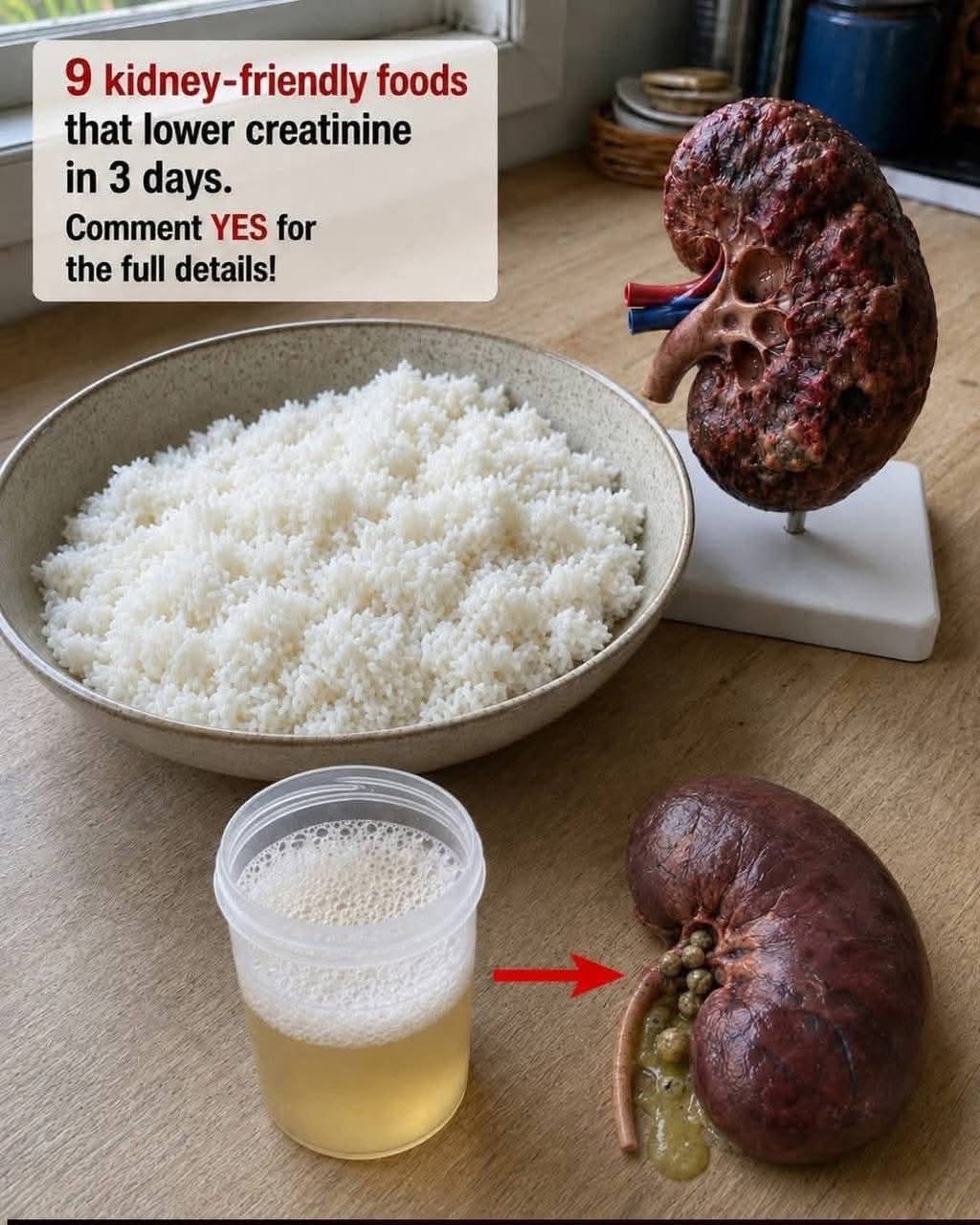
Do you love the simple and comforting taste of fluffy white grains that serve as the absolute best base for your favorite stews, curries, and stir fries? If your answer is yes, you are certainly in the right place today. Home cooks all over the world rely on a timeless culinary fundamental that brings comfort and warmth to every single dinner table. This wonderful staple is known simply as boiled white rice, and mastering the art of cooking it to fluffy perfection is an essential skill for anyone who loves good food.
Imagine lifting the lid off a warm pot on your stove to reveal a mountain of tender, separate grains that smell fresh and delicious, ready to soak up all your favorite savory sauces. That is exactly what this traditional cooking method offers. It takes basic pantry grains and pure water and transforms them into a comforting side dish that feels like home no matter where you are living in the world.
Whether you want to pair it with sizzling pepper steak, rich creamy curries, or simple melted butter, this recipe is a brilliant choice. You do not need any professional chef skills or expensive kitchen gadgets to master it successfully. Let us dive right in and learn all about how you can cook perfect boiled white rice in your very own home today.
Cooking Time and Serving Information
Before we start boiling our grains, let us look at how much time you need and how many portions this recipe will make so you can plan your meal easily.
-
Preparation time is about five minutes.
-
Cooking time on the stove is about twenty minutes.
-
Resting time off the heat is about five minutes.
-
Total time from start to eating is around thirty minutes.
-
This recipe makes about four cups of cooked rice.
-
A standard serving is one cup of cooked fluffy rice.
Ingredients List
To make this wonderful staple, you only need a few simple components that you can easily find in any kitchen pantry. Let us list them out clearly so you can check your supplies before you begin.
For the Boiled White Rice
-
One cup of long grain white rice or jasmine rice.
-
Two cups of clean filtered water.
-
One tablespoon of butter or a tiny splash of vegetable oil to prevent sticking.
-
Half a teaspoon of salt to enhance the natural flavor.
How to Make Boiled White Rice
Now comes the fun part where we turn raw dry grains into a wonderful fluffy side dish. Just follow these easy steps one by one and you will get a great result every single time.
Step One: Rinse the Rice
First grab your dry white rice and place it into a fine mesh strainer. Rinse the grains thoroughly under cold running water for about one minute until the water runs clear. Rinsing washes away excess surface starch so your cooked rice turns out fluffy and separate instead of sticky.
Step Two: Boil the Water and Rice
Pour your two cups of water into a medium sized saucepan and place it on your stove over high heat. Add your rinsed rice, butter, and salt. Stir everything together once with a spoon and bring the water to a rolling boil.
Step Three: Simmer Covered
Once the water is boiling actively, turn your stove heat down to its lowest setting. Place a tight fitting lid securely on top of your saucepan to trap all the steam inside. Let the rice simmer undisturbed for about fifteen minutes. Do not lift the lid during this time because keeping the steam locked in is the big secret to even cooking.
Step Four: Rest Off the Heat
Turn off your stove burner completely after fifteen minutes have passed. Leave the covered saucepan sitting on the warm burner for another five minutes to let the remaining moisture absorb fully into the grains.
Step Five: Fluff and Serve
Remove the lid from your saucepan carefully. Grab a fork and gently fluff the warm rice to separate the grains nicely before dishing it out into bowls to serve with your favorite main dishes.
Helpful Notes for Success
Making this wonderful staple is very easy once you get the hang of it. Here are a few extra tips to make sure your rice turns out amazing every single time.
-
Always maintain the golden water ratio of two cups of water for every one cup of dry white rice for the best soft texture.
-
Resist the temptation to stir the rice while it is simmering on the stove because stirring releases extra starch and makes the grains mushy.
-
You can swap the plain water for chicken broth or vegetable broth to infuse extra savory flavor into your grains.
Frequently Asked Questions
People often have a few questions when they cook rice for the first time. Here are the answers to some of the most common questions.
Can I use brown rice with this exact method?
No, brown rice requires much more water and a longer cooking time of about forty five minutes because of its tough outer bran layer.
How should I store leftover cooked rice?
You can store your cooled leftover rice in an airtight container in your refrigerator for up to four days, or freeze it for up to one month.
Why did my rice turn out mushy?
Mushy rice usually happens if you added too much water, used the wrong cooking ratio, or stirred the pot too much while it was simmering.
Nutrition Information Table
Here is a general breakdown of the nutrition values for this recipe. Please remember that these numbers are estimates and can change depending on the exact brand of grain you use. The values below are calculated per serving, assuming the recipe makes four equal portions.
| Nutrient Name | Amount Per Serving |
| Calories | Two hundred calories |
| Total Fat | Two grams |
| Saturated Fat | One gram |
| Cholesterol | Five milligrams |
| Sodium | One hundred fifty milligrams |
| Total Carbohydrates | Forty four grams |
| Dietary Fiber | One gram |
| Sugars | Zero grams |
| Protein | Four grams |
Important Disclaimer
Please remember to enjoy this wonderful staple food in moderation as part of a balanced and healthy lifestyle. Eating very large portions of refined carbohydrates all at once is never a good idea for your blood sugar levels, and it is always smart to listen to your body. Also, please check all food storage safety guidelines if you plan to keep leftover cooked rice, as improper cooling can sometimes lead to foodborne bacteria. Always make sure everyone who eats your food is safe and happy.