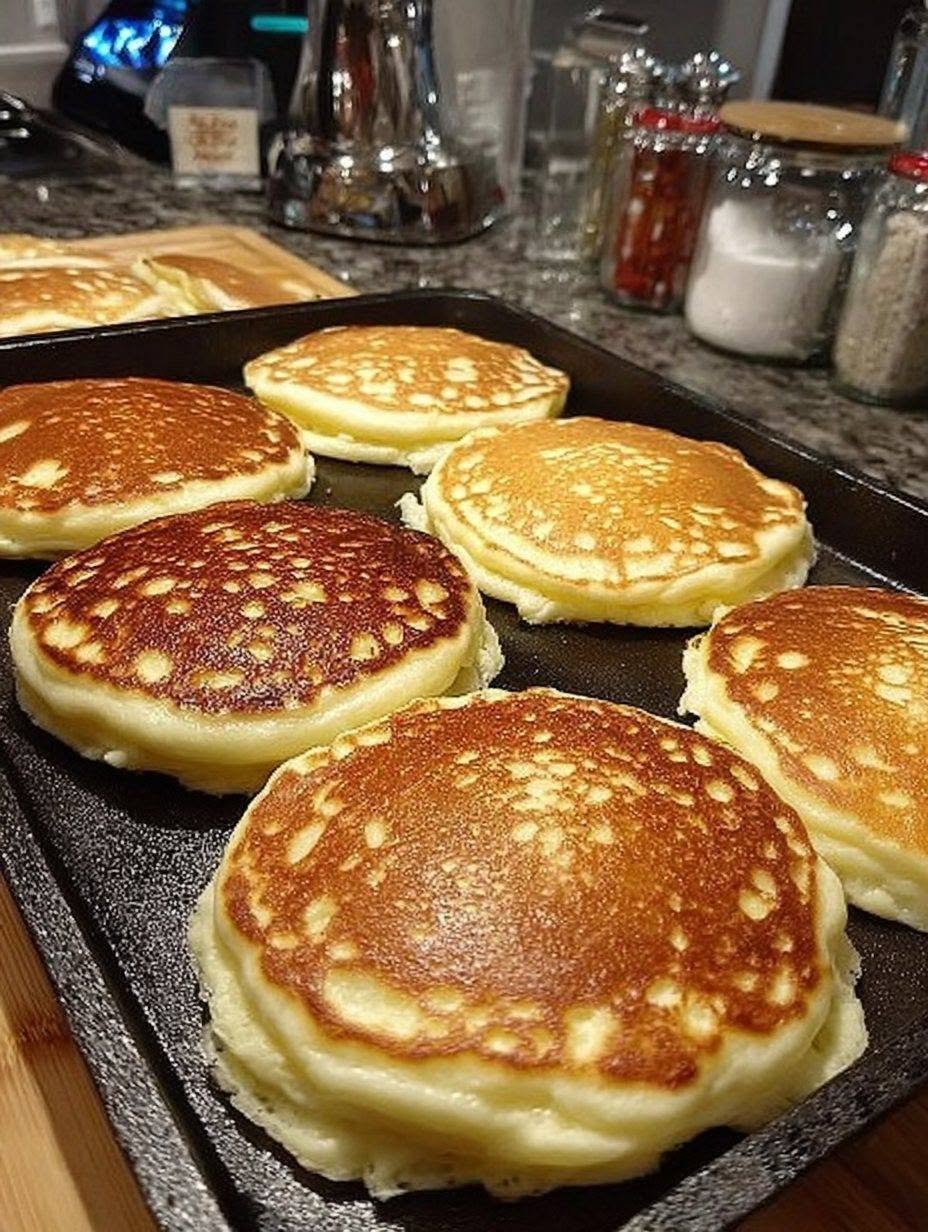
Carnivore Pancakes: Fluffy, Golden, and Perfect for a High-Protein Breakfast
There are mornings when you don’t just want breakfast—you want pancakes.
You want that warm, buttery aroma drifting through the kitchen. You want golden edges, a soft center, and that irresistible moment when the first pancake hits the plate and the butter slowly melts across the top.
But when you’re following a carnivore diet, traditional pancakes made with flour, sugar, and milk aren’t exactly an option.
So what if you could make pancakes without flour, grains, sugar, or plant-based ingredients?
Meet these Carnivore Pancakes.
They’re tender, lightly golden, satisfying, and made with a surprisingly short list of animal-based ingredients. The texture is delicate rather than cakey like a traditional flour pancake, but when they’re cooked gently in butter and served piping hot, they make an incredibly comforting breakfast.
They’re especially delicious with crispy bacon, breakfast sausage, eggs, or a generous pat of butter melting into every warm bite.
And because the batter comes together in minutes, these pancakes are perfect for lazy weekend breakfasts and busy weekday mornings.
Why You’ll Love These Carnivore Pancakes
Once you try this recipe, you’ll understand why simple carnivore breakfasts can be so satisfying.
- Simple ingredients: Just a few easy-to-find ingredients.
- Flour-free: No wheat, almond flour, coconut flour, or other flour.
- Grain-free: Completely free from traditional grains.
- Very low-carb: Designed to keep carbohydrates extremely low.
- Protein-rich: Eggs and dairy provide a satisfying protein boost.
- Quick to prepare: The batter takes only a few minutes to make.
- Naturally gluten-free: No wheat or gluten-containing ingredients.
- Kid-friendly: Mild, buttery, and easy to eat.
- Meal-prep friendly: Make extra and refrigerate or freeze them.
- Versatile: Serve them sweet-style with a carnivore-compatible topping or keep them completely savory.
Ingredients
Makes approximately 8 small pancakes
- 4 large eggs — approximately 200 g / 7 oz
- 120 g full-fat cream cheese — about 4 oz / 1/2 cup
- 60 g shredded mozzarella cheese — about 2 oz / 1/2 cup
- 30 g melted butter — 2 tablespoons / 1 oz
- 1/4 teaspoon fine sea salt — about 1.5 g
- 1/4 teaspoon baking soda — about 1 g, optional
For cooking
- 15–30 g butter — 1–2 tablespoons / 0.5–1 oz, as needed
Optional carnivore-friendly additions
For extra richness, you can add:
- 15 g Parmesan cheese — about 1/2 oz
- 1 tablespoon beef tallow — approximately 14 g / 0.5 oz
- An extra pinch of salt for a savory version
Ingredient substitutions
You can replace the butter with beef tallow for a more savory, meaty flavor.
Mozzarella can be replaced with mild cheddar for a stronger cheese flavor.
If you use different dairy products, remember that their carbohydrate content can vary, so check the nutrition label if you’re closely tracking carbs.
Nutritional Information Per Pancake
This is an approximate estimate based on 8 pancakes.
- Calories: approximately 120–140
- Protein: approximately 6–7 g
- Fat: approximately 10–12 g
- Carbohydrates: approximately 1–2 g
- Fiber: 0 g
Exact nutritional values depend on the brands and quantities you use.
Dietary information
- Carnivore: Yes, when using animal-derived ingredients.
- Keto: Generally yes.
- Low-carb: Yes.
- Gluten-free: Yes.
- Grain-free: Yes.
- Vegetarian: No.
- Vegan: No.
- Dairy-free: No.
Despite the name “zero-carb” sometimes being used for similar recipes, eggs and dairy can contain small amounts of naturally occurring carbohydrates. For strict carb counting, calculate the recipe using your specific ingredients.
Kitchen Tools Needed
You’ll need:
- Blender or food processor
- Nonstick skillet or griddle
- Flexible spatula
- Mixing bowl
- Measuring spoons
- Kitchen scale
- Small saucepan or microwave-safe bowl
- Ladle or measuring cup
A blender makes the batter especially smooth and helps prevent cream cheese lumps.
How to Make Carnivore Pancakes
Step 1: Bring the Ingredients to Room Temperature
Take the eggs and cream cheese out of the refrigerator about 15–20 minutes before cooking.
Soft cream cheese blends much more easily, while room-temperature eggs help create a smoother batter.
This little bit of preparation makes a noticeable difference.
Step 2: Melt the Butter
Melt 30 g (2 tablespoons) of butter over low heat or in short bursts in the microwave.
Let it cool slightly.
It should be warm and liquid but not hot enough to cook the eggs.
Step 3: Blend the Batter
Add the eggs, cream cheese, mozzarella, melted butter, salt, and optional baking soda to a blender.
Blend for approximately 20–30 seconds until completely smooth.
The batter should be creamy and pourable.
If it seems unusually thick, let it rest for a minute and blend again.
Step 4: Let the Batter Rest
Allow the batter to sit for 5 minutes.
This gives bubbles created during blending time to settle and allows the cheese mixture to thicken slightly.
The finished batter should pour easily but shouldn’t be watery.
Step 5: Heat Your Skillet
Place a nonstick skillet over medium-low heat.
Add a small amount of butter.
Don’t crank the heat up to make the pancakes cook faster.
Because these pancakes are egg- and cheese-based, high heat can cause the outside to brown too quickly while the center remains soft and difficult to flip.
Gentle heat gives you much better results.
Step 6: Pour the Pancakes
Pour approximately 2 tablespoons of batter into the skillet for each pancake.
Keep them relatively small—about 3–4 inches (7–10 cm) wide.
Smaller pancakes are significantly easier to flip than large ones.
Cook two or three at a time, depending on the size of your skillet.
Step 7: Watch for the Bubbles
Cook for approximately 1½–2½ minutes.
You’ll notice the edges beginning to set.
Small bubbles may appear on the surface, and the underside should become lightly golden.
When the pancake moves easily when you slide your spatula underneath, it’s ready to flip.
Step 8: Flip Carefully
Slide a thin spatula underneath the pancake.
Flip it gently but confidently.
Cook the second side for approximately 45–60 seconds.
You don’t need to brown it heavily.
The goal is a tender, soft pancake with a lightly golden exterior.
Step 9: Keep Finished Pancakes Warm
Place cooked pancakes on a plate and loosely cover them with foil.
You can also place them in a warm oven set to approximately 170°F (75°C) while you finish the remaining batter.
Don’t stack them too tightly if you want the edges to remain slightly crisp.
Expert Tips for Perfect Carnivore Pancakes
Keep the pancakes small
This is one of the most important tricks.
Traditional flour pancakes have enough structure to support a large diameter.
Carnivore pancakes are more delicate.
Small pancakes are easier to flip and much less likely to tear.
Cook low and slow
If your pancakes are browning before they set, your pan is too hot.
Reduce the heat and give them more time.
Use a nonstick pan
A quality nonstick skillet makes flipping much easier.
If you’re using cast iron, make sure it is extremely well seasoned and lightly greased.
Don’t overblend
Blend only until smooth.
Overblending isn’t usually disastrous, but excessive blending creates lots of air bubbles that can make the pancakes uneven.
Let the batter rest
Five minutes may seem insignificant, but it gives the mixture time to settle and makes the pancakes easier to cook.
Common Mistakes and How to Fix Them
Pancakes are falling apart
They’re probably too large or being flipped too early.
Fix: Make smaller pancakes and wait until the edges are visibly set before flipping.
Pancakes are too eggy
Overcooking can intensify the egg flavor.
Fix: Use moderate heat and remove the pancakes as soon as they’re cooked through.
Adding a little extra mozzarella can also make the flavor more savory.
Pancakes are burning
Your skillet is too hot.
Fix: Lower the heat to medium-low or even low.
Batter is too thick
Your cream cheese may have been especially dense or cold.
Fix: Blend again after letting the mixture sit for a minute.
Pancakes are sticking
Your pan may not be sufficiently nonstick.
Fix: Add a small amount of butter before each batch and make sure the skillet is properly preheated.
Variations & Customizations
Savory Carnivore Pancakes
Skip any sweet toppings and lean into the savory side.
Add a little Parmesan and serve the pancakes with:
- Crispy bacon
- Sausage
- Fried eggs
- Ground beef
- Steak
- Melted cheese
The combination of a buttery pancake with crispy bacon is seriously satisfying.
Extra-Cheesy Pancakes
Add 30 g (1 oz) extra mozzarella to the batter.
Cook them slightly longer on the first side to develop golden, crispy edges.
Beef Tallow Pancakes
Replace the cooking butter with beef tallow.
This creates a richer, more savory flavor and works especially well for a hearty carnivore breakfast.
Crispy-Edge Pancakes
Use a little more butter in the skillet and allow the edges to cook undisturbed until golden brown.
The center remains tender while the edges develop a delicious crispness.
Kid-Friendly Pancakes
Keep the recipe mild and use mozzarella rather than sharp cheese.
Make very small pancakes—almost silver-dollar sized.
They’re easier for little hands to hold and pair nicely with scrambled eggs or bacon.
Storage & Reheating
Refrigerator
Cool the pancakes completely before storing them.
Place parchment between the pancakes and transfer them to an airtight container.
They will keep for approximately 3–4 days in the refrigerator.
Freezer
Freeze the pancakes individually first.
Place them on a parchment-lined tray and freeze until firm.
Then transfer them to a freezer-safe bag or container.
They should maintain good quality for approximately 1–2 months.
Best Reheating Method
For the best texture, warm them in a skillet over low heat for 1–2 minutes per side.
You can also use a toaster for firmer pancakes.
Microwave reheating is fastest, but use short intervals of around 10–20 seconds to avoid making the pancakes rubbery.
What to Serve With Carnivore Pancakes
These pancakes are delicious enough to eat straight from the skillet, but a few pairings make breakfast even better.
Classic carnivore breakfast
Serve with:
- Crispy bacon
- Fried eggs
- Breakfast sausage
- Salted butter
Steak and pancakes
It may sound unusual, but don’t knock it until you’ve tried it.
Serve small savory pancakes alongside sliced steak and a fried egg.
The combination of buttery pancake, rich beef, and runny egg yolk is incredible.
Bacon pancake stack
Layer warm pancakes with crispy bacon between them.
Add a little melted butter over the top.
It’s simple, decadent, and wonderfully filling.
Breakfast sandwich
Use two small pancakes as the “bread” and fill them with:
- Fried egg
- Bacon
- Sausage
- Melted cheese
Press gently together and eat while warm.
Frequently Asked Questions
Can you make pancakes on a carnivore diet?
Yes. Traditional pancakes contain flour and other plant-based ingredients, but carnivore-style pancakes can be made primarily from eggs, cheese, and animal fats.
The texture will be different from conventional pancakes, but they can still be soft, golden, and satisfying.
Do carnivore pancakes taste like regular pancakes?
Not exactly.
Because there is no flour or sugar, they have a more egg-and-cheese-based flavor.
Cooking them in butter and using mild cheese produces a rich, subtle flavor that works particularly well with savory breakfast foods.
Why are my carnivore pancakes rubbery?
The most common reason is overcooking or using excessive heat.
Eggs become firmer as they cook.
Solution: Lower the heat and cook the pancakes gently until just set.
Can I make these pancakes without cream cheese?
Cream cheese contributes moisture, richness, and structure.
You can experiment with mascarpone or another soft full-fat cheese, but the final texture will change.
For the most reliable result, cream cheese is recommended.
Can I make carnivore pancakes ahead of time?
Absolutely.
Cook a batch, allow them to cool, then refrigerate them for several days.
They’re particularly convenient for weekday breakfasts.
Can I freeze carnivore pancakes?
Yes.
Separate the pancakes with parchment paper and freeze them in an airtight container or freezer bag.
Reheat them gently in a skillet for the best texture.
Are carnivore pancakes keto-friendly?
Generally, yes.
They contain very little carbohydrate compared with traditional pancakes, making them suitable for many ketogenic diets.
However, dairy products can contain small amounts of carbohydrate, so check your labels if you’re following a strict macro target.
Final Thoughts
A carnivore diet doesn’t have to mean giving up every comforting breakfast food you’ve ever loved.
Sometimes all you need is a clever combination of simple ingredients and the right cooking technique.
These Carnivore Pancakes are proof.
They’re warm, buttery, tender, and satisfying, with golden edges that become especially delicious when cooked slowly in butter. Pair them with crispy bacon and eggs for