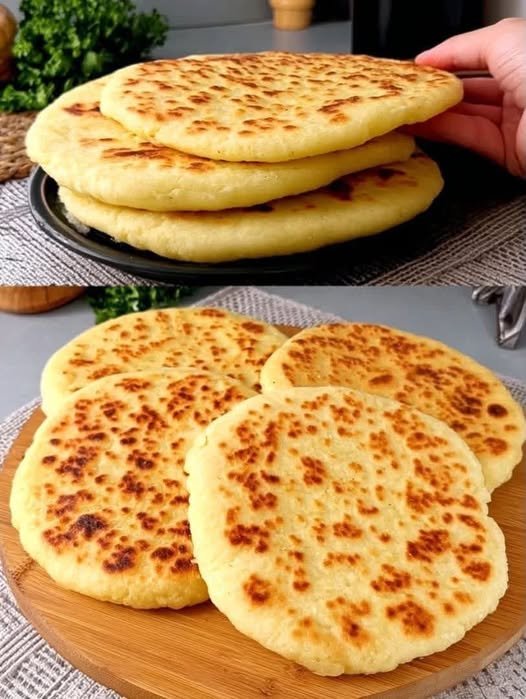
Homemade Flatbread Recipe: Soft, Chewy, Golden & Irresistible
There’s something magical about tearing into a warm, freshly cooked flatbread while it’s still steaming. The surface is lightly blistered and golden, the edges are tender, and the inside is soft enough to fold around your favorite curry, scoop up a creamy dip, or simply enjoy with a little butter.
And that smell? Warm flour, toasted grains, and a hint of olive oil filling the kitchen—it’s the kind of aroma that makes everyone suddenly appear at the dinner table.
This easy homemade flatbread recipe is one of those wonderfully simple recipes that can transform an ordinary meal into something special. You don’t need a fancy oven or complicated equipment. With a handful of pantry staples, a skillet, and a little patience, you can make soft, flavorful flatbreads right at home.
Why You’ll Love This Flatbread Recipe
- Easy to make: No complicated techniques or specialist equipment required.
- Budget-friendly: Made with inexpensive everyday ingredients.
- Soft and delicious: A short resting period helps create tender, pliable bread.
- Perfect for meal prep: Make a batch and keep them ready for busy weeknight meals.
- Versatile: Serve them with curries, grilled meats, vegetables, hummus, eggs, or cheese.
- Family-friendly: Mild, soft, and easy for children to eat.
- Customizable: Add herbs, spices, garlic, seeds, or whole-wheat flour.
- Freezer-friendly: Homemade flatbreads freeze beautifully for later.
Ingredients for Homemade Flatbread
This recipe makes approximately 8 medium flatbreads.
For the dough
- 2 cups (250 g / 8.8 oz) all-purpose flour
- ¾ cup (180 ml / 6 fl oz) warm water, approximately
- 2 tablespoons (30 ml / 1 fl oz) olive oil
- ½ teaspoon (3 g / 0.1 oz) salt
- ½ teaspoon (2 g) sugar, optional
- ½ teaspoon (2 g) instant yeast, optional for a slightly lighter texture
For cooking
- 1–2 tablespoons (15–30 ml) olive oil or melted butter, as needed
Optional toppings
- Minced garlic
- Fresh cilantro or parsley
- Dried oregano
- Chili flakes
- Sesame seeds
- Nigella seeds
- Za’atar
- A sprinkle of flaky salt
Healthy substitutions
For a more nutritious flatbread, replace ½ cup (60–65 g) of the all-purpose flour with whole-wheat flour. You can also use extra-virgin olive oil instead of butter.
For a vegan flatbread, simply use olive oil rather than butter.
Note: This recipe is not gluten-free because it contains wheat flour. For a gluten-free version, use a reliable gluten-free flour blend formulated for yeast breads or flatbreads and follow the blend’s recommended liquid ratio.
Nutritional Information
Approximate nutrition per plain flatbread, assuming 8 servings and excluding optional butter or toppings:
- Calories: 145–160 kcal
- Protein: 4 g
- Carbohydrates: 26–28 g
- Fat: 3–4 g
- Fiber: 1–2 g
- Sodium: approximately 140–180 mg
Whole-wheat flour will generally increase the fiber content.
Is flatbread healthy?
It can absolutely fit into a balanced diet. Portion size and toppings matter most. Using whole-wheat flour, olive oil, and nutrient-rich fillings can make your flatbread meal more filling and nutritious.
Dietary notes:
- Vegan: Yes, when made with olive oil.
- Vegetarian: Yes
- Gluten-free: No, as written.
- Keto: No, because traditional wheat flour is high in carbohydrates.
Kitchen Tools You’ll Need
Keep things simple. You only need:
- Large mixing bowl
- Measuring cups and spoons or kitchen scale
- Rolling pin
- Clean work surface
- Heavy skillet or cast-iron pan
- Spatula or tongs
- Clean kitchen towel
- Pastry brush, optional
A cast-iron skillet is especially useful because it holds heat well and encourages those gorgeous little brown spots on the bread.
How to Make Flatbread Step by Step
1. Mix the dough
Add the flour, salt, and optional sugar to a large bowl.
Pour in 2 tablespoons of olive oil, followed by most of the warm water. Stir with a wooden spoon or your hand until the mixture begins coming together.
Gradually add the remaining water.
Pro tip: Don’t pour all the water in at once. Flour absorbs liquid differently depending on humidity, brand, and even how tightly it’s packed into the measuring cup.
You’re looking for a dough that feels soft and slightly tacky but not wet or sticky.
2. Knead until smooth
Transfer the dough to a lightly floured surface.
Knead for approximately 5–7 minutes.
Push the dough away from you with the heel of your hand, fold it back, rotate, and repeat.
After several minutes, the dough should become noticeably smoother and more elastic.
If it’s sticking excessively to your hands, add flour one tablespoon at a time. Avoid adding too much flour because that can turn your flatbread tough.
3. Let the dough rest
Shape the dough into a ball and lightly coat it with olive oil.
Place it in the bowl and cover with a clean towel or plastic wrap.
Let it rest for 20–30 minutes at room temperature.
This step is important. Resting gives the gluten time to relax, which makes the dough much easier to roll.
If you’ve added yeast, allow the dough to rest for approximately 60–90 minutes, or until slightly puffed.
4. Divide the dough
Once rested, divide the dough into 8 equal pieces.
For evenly sized flatbreads, use a kitchen scale. Each portion will be approximately 55–60 g.
Roll each piece into a smooth ball.
Keep the dough balls covered while working so they don’t develop a dry skin.
5. Roll the flatbreads
Lightly flour your work surface.
Take one dough ball and roll it into a circle approximately 6–7 inches (15–18 cm) wide.
Don’t worry if it’s not perfectly round. Homemade flatbread is supposed to have a little personality.
Aim for a thickness of around 2–3 mm for a soft, flexible flatbread.
Texture cue
The rolled dough should be thin enough to cook quickly but thick enough that it doesn’t tear when you lift it.
6. Heat the skillet
Place a heavy skillet over medium-high heat.
Let it heat for approximately 2–3 minutes.
You generally don’t need oil in the pan. Cooking the dough on a hot, dry skillet helps create those characteristic toasted patches.
To test the heat, place a small piece of dough on the skillet. It should begin cooking within seconds without immediately burning.
7. Cook the flatbread
Place one rolled flatbread onto the hot skillet.
Cook for approximately 45–60 seconds, or until you see bubbles forming across the surface.
Flip it.
Cook the second side for another 30–60 seconds.
You should see golden-brown spots developing.
For especially soft flatbread, avoid cooking it too long. Overcooking drives out moisture and can leave you with something more cracker-like than bread.
8. Add flavor
For a simple finishing touch, brush the hot flatbread with a little melted butter or olive oil.
For garlic flatbread, combine melted butter or olive oil with finely minced garlic and chopped parsley, then brush it over the surface.
A tiny sprinkle of flaky salt takes it over the top.
9. Keep the flatbreads soft
As each flatbread comes off the skillet, stack it inside a clean kitchen towel.
The trapped steam keeps the bread warm and wonderfully pliable.
Continue cooking until all eight flatbreads are finished.
Expert Tips & Mistakes to Avoid
1. Don’t make the dough too dry
This is probably the most common mistake.
A dry dough produces dense, stiff flatbread. Your dough should be soft and slightly tacky.
Fix: Add water one teaspoon at a time until the dough becomes supple.
2. Don’t over-flour the work surface
Too much flour can burn in the skillet and create a bitter taste.
Use just enough flour to prevent sticking.
3. Give the dough time to rest
Skipping the resting period can make the dough spring back while rolling.
If the dough keeps shrinking, cover it and let it rest another 10–15 minutes.
4. Preheat your skillet properly
A lukewarm pan can produce pale, dry flatbread.
You want enough heat to create quick bubbles and toasted spots.
5. Don’t overcook
Flatbread cooks quickly.
If it becomes hard immediately after leaving the pan, you’re probably cooking it for too long.
6. Keep uncooked dough covered
Even a few minutes exposed to dry air can create a crust that makes rolling difficult.
Flatbread Variations & Customizations
Spicy Flatbread
Add ½–1 teaspoon chili flakes, ½ teaspoon paprika, and a pinch of cumin to the dough.
For even more heat, brush the cooked flatbread with chili-infused olive oil.
Healthy Whole-Wheat Flatbread
Replace half the white flour with whole-wheat flour.
You may need an extra tablespoon or two of water because whole-wheat flour absorbs more liquid.
The result is slightly nuttier, more rustic, and higher in fiber.
Garlic & Herb Flatbread
Add ½ teaspoon garlic powder and 1 teaspoon dried oregano to the dough.
After cooking, brush with garlic butter or olive oil and sprinkle with chopped fresh parsley.
Kids-Friendly Flatbread
Keep the dough mild and serve the cooked flatbread with familiar fillings such as:
- Scrambled eggs
- Mild cheese
- Chicken
- Yogurt
- Mashed avocado
- Peanut butter and banana for a sweet variation
You can also cut the cooked flatbread into strips for easy dipping.
Cheesy Flatbread
Sprinkle shredded mozzarella or cheddar over one side while the flatbread is still hot.
Fold it in half and return it to the skillet until the cheese melts.
It’s simple, gooey, and incredibly hard to resist.
Storage & Reheating Instructions
Refrigerator
Allow cooked flatbreads to cool completely.
Stack them with parchment paper between layers if desired, then store them in an airtight container or zip-top bag.
They will keep well in the refrigerator for approximately 3–4 days.
Freezer
For longer storage, freeze the flatbreads for up to 2–3 months.
Place parchment paper between each one so you can remove individual flatbreads without thawing the entire stack.
Store them in a freezer-safe bag with as much excess air removed as possible.
Best reheating method
For the best texture, heat a skillet over medium heat and warm each flatbread for approximately 20–30 seconds per side.
If frozen, you can usually reheat directly from frozen.
For extra softness, lightly sprinkle the bread with water before reheating and cover the skillet for a few seconds.
The microwave works in a pinch, but keep the heating time short—usually 10–20 seconds—because too much microwave heat can make flatbread chewy.
What to Serve With Flatbread
This is where flatbread truly shines. Think of it as an edible companion to almost any meal.
Serve it alongside:
- Chickpea curry
- Chicken curry
- Lentil soup
- Grilled chicken
- Roasted vegetables
- Hummus
- Baba ganoush
- Tzatziki
- Yogurt dips
- Falafel
- Scrambled eggs
- Grilled paneer
- Fresh salads
For a quick lunch, spread hummus over a warm flatbread, add sliced cucumber, tomato, lettuce, grilled chicken or chickpeas, and a drizzle of yogurt sauce. Roll it up and you’ve got an easy homemade wrap.
For breakfast, try warm flatbread with scrambled eggs, avocado, and a little chili sauce.
And honestly? Sometimes the best serving suggestion is the simplest one: hot flatbread, melted butter, and a pinch of salt.
Frequently Asked Questions
Can I make flatbread without yeast?
Absolutely. This recipe works without yeast. The resting period helps relax the gluten and makes the dough easier to roll while keeping the finished bread tender.
Why is my flatbread hard?
The most likely causes are too much flour, insufficient water, or overcooking.
Try making a softer dough and cooking the bread for a shorter time over a properly heated skillet.
Why isn’t my flatbread bubbling?
Your skillet may not be hot enough, or your dough may be rolled too thickly.
Preheat the skillet well and roll the dough evenly.
Can I use whole-wheat flour?
Yes. For the best texture, start by replacing about half of the all-purpose flour with whole-wheat flour rather than replacing all of it.
You may need slightly more water.
Can I make the dough ahead of time?
Yes. Prepare the dough, cover it tightly, and refrigerate it for up to about 24 hours.
Let it sit at room temperature for approximately 20–30 minutes before dividing and rolling.
Can I freeze homemade flatbread?
Yes. Cool the flatbreads completely, separate them with parchment, and freeze in an airtight freezer-safe bag for up to 2–3 months.
How do I keep flatbread soft?
The biggest trick is not overcooking it. Once cooked, immediately stack the flatbreads and wrap them in a clean kitchen towel. The gentle steam helps preserve their softness.
Final Thoughts
There are recipes that impress because they’re complicated—and then there are recipes like this homemade flatbread that become favorites because they’re simple, comforting, and endlessly useful.
Once you make your first batch, you’ll understand why homemade flatbread has such a special place at the table. The dough is soft beneath your hands, the skillet fills with the warm scent of toasted flour, and those first golden-brown bubbles appear almost like little promises that dinner is going to be delicious.
So grab your flour, warm up that skillet, and give this easy flatbread recipe a try.
Make it, tear it, dip it, wrap it, and enjoy it while it’s warm. And if you put your own spin on it—garlic, herbs, spices, cheese, or whole-wheat flour—share your favorite variation in the comments. Don’t forget to share the recipe with someone who deserves a batch of warm homemade flatbread, too!