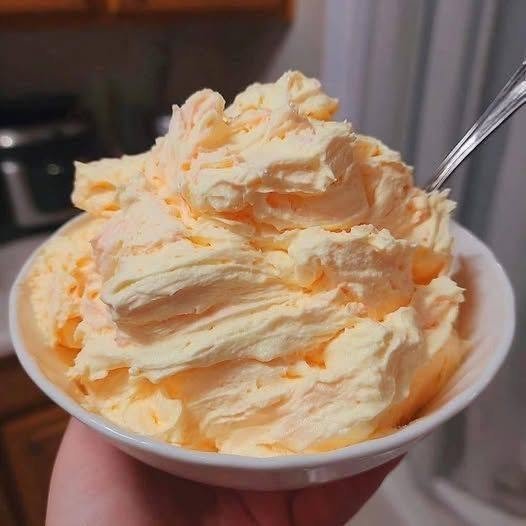
Protein Ice Cream
Imagine opening your freezer on a warm afternoon and finding a bowl of ice cream that is thick, creamy, cold, and indulgent—but packed with protein.
This homemade protein ice cream has the texture of a soft-serve dessert, with a rich vanilla flavor and just enough sweetness to satisfy an ice-cream craving. Best of all, you only need a handful of ingredients, and there’s no complicated ice-cream maker required.
Whether you’re looking for a high-protein post-workout treat, a healthier dessert, or simply an excuse to eat ice cream, this recipe belongs in your freezer.
Why You’ll Love This Protein Ice Cream
- High in protein compared with traditional ice cream
- Creamy and satisfying without requiring heavy cream
- Easy to customize with your favorite flavors
- No ice-cream machine required
- Great for meal prep
- Can be made lower in sugar
- Perfect as a post-workout snack or dessert
- Ready with only a few basic ingredients
Ingredients
Makes approximately 2 servings
- 1 cup (240 g / 8.5 oz) plain Greek yogurt
- 1/2 cup (120 ml / 4 fl oz) milk of your choice
- 1 scoop (30 g / 1.1 oz) vanilla protein powder
- 1–2 tablespoons (15–30 ml) maple syrup or honey, to taste
- 1 teaspoon (5 ml) vanilla extract
- 1/4 teaspoon salt
- 1/2 teaspoon xanthan gum, optional but highly recommended for a softer, creamier texture
Optional Add-Ins
Try adding:
- 1 tablespoon peanut butter
- 1 tablespoon cocoa powder
- 1/2 cup strawberries
- 1/2 cup blueberries
- 2 tablespoons mini chocolate chips
- Crushed nuts
- Unsweetened shredded coconut
- A little cinnamon
Ingredient Substitutions
For a lower-sugar version, use a zero-sugar sweetener instead of honey or maple syrup.
For a dairy-free version, use unsweetened plant-based Greek-style yogurt, plant milk, and a dairy-free protein powder.
For extra creaminess, use whole milk. For a lighter version, use skim milk or unsweetened almond milk.
Approximate Nutrition Per Serving
Using Greek yogurt, milk, vanilla protein powder, and maple syrup, each serving contains approximately:
- Calories: 180–220
- Protein: 20–25 g
- Carbohydrates: 15–20 g
- Fat: 3–6 g
- Fiber: 0–2 g
Exact nutrition depends heavily on the protein powder, yogurt, milk, and sweetener you use.
This recipe can be gluten-free when certified gluten-free ingredients are used. It is not automatically vegan or keto, although both versions can be made with appropriate substitutions.
Kitchen Tools
You’ll need:
- High-powered blender or food processor
- Measuring cups and spoons
- Spatula
- Freezer-safe container
- Ice-cream scoop
How to Make Protein Ice Cream
1. Add the Ingredients
Place the Greek yogurt, milk, protein powder, sweetener, vanilla extract, and salt into a high-powered blender.
If you’re using xanthan gum, add it now.
Don’t add too much xanthan gum. A little goes a surprisingly long way.
2. Blend Until Completely Smooth
Blend on high for approximately 30–60 seconds.
Stop and scrape down the sides if necessary.
The mixture should be completely smooth and creamy with no visible protein-powder lumps.
3. Taste and Adjust
Taste the mixture before freezing.
Want it sweeter? Add a little more maple syrup or your preferred sweetener.
Want a stronger vanilla flavor? Add another splash of vanilla extract.
For chocolate protein ice cream, add 2 tablespoons cocoa powder and blend again.
4. Freeze
Pour the mixture into a shallow, freezer-safe container.
Cover tightly and freeze for approximately 2–4 hours.
A shallow container is preferable because the mixture freezes more evenly and is easier to scoop.
5. Let It Soften Before Serving
Homemade protein ice cream can become quite firm in the freezer.
Allow it to sit at room temperature for approximately 10–15 minutes before scooping.
For an especially creamy texture, break the frozen mixture into chunks and blend it again in a food processor until smooth.
That’s the secret to getting that luscious soft-serve consistency.
The Creaminess Secret
Protein powder contains much less fat than traditional ice cream ingredients, so protein ice cream can become icy or hard if you simply freeze a protein shake.
There are three tricks that make a major difference:
Greek yogurt provides body and creaminess.
Xanthan gum helps prevent large ice crystals and improves scoopability.
A second blend after freezing transforms the frozen mixture into a smooth, fluffy dessert.
If you have a high-powered ice-cream machine or specialized frozen-dessert appliance, you can also process the mixture according to its manufacturer’s instructions.
Flavor Variations
Chocolate Protein Ice Cream
Blend in:
- 2 tablespoons cocoa powder
- 1 tablespoon peanut butter
- A few drops of chocolate extract, optional
Top with chopped dark chocolate for an intense chocolate treat.
Strawberry Protein Ice Cream
Add 1/2 cup (75 g / 2.6 oz) frozen strawberries.
For an extra-fruity version, add a few sliced strawberries just before serving.
Peanut Butter Protein Ice Cream
Add 2 tablespoons (32 g / 1.1 oz) natural peanut butter.
Swirl an additional teaspoon through the finished ice cream before serving.
Banana Protein Ice Cream
Add 1 frozen banana and reduce the sweetener.
The banana contributes natural sweetness and creates an exceptionally creamy texture.
Coffee Protein Ice Cream
Add 1 teaspoon instant espresso powder.
Chocolate protein powder works particularly well here.
Cinnamon Roll Protein Ice Cream
Add:
- 1/2 teaspoon cinnamon
- 1 tablespoon almond butter
- A tiny splash of maple syrup
The result tastes like a frozen cinnamon dessert without the pastry.
Expert Tips & Mistakes to Avoid
Don’t Use Too Much Protein Powder
More protein powder doesn’t necessarily mean better ice cream.
Too much can produce a chalky texture and overpower the flavor.
Stick to roughly one scoop per two servings unless your specific protein powder is designed for frozen desserts.
Don’t Freeze It in a Deep Container
A deep container makes the ice cream freeze into a rock-hard block.
Use a shallow container for easier scooping.
Don’t Skip the Second Blend
If your goal is genuinely creamy protein ice cream rather than a frozen protein shake, the second blend is worth the extra few minutes.
It incorporates air and breaks up ice crystals.
Don’t Forget the Salt
Just a tiny amount of salt can make vanilla and chocolate flavors taste noticeably richer.
You shouldn’t taste the salt itself.
Storage
Store protein ice cream in a tightly sealed freezer-safe container for up to 1–2 weeks for the best texture.
It is technically safe for longer if continuously frozen, but the texture may gradually become harder and icier.
There is no need to reheat it, of course!
Instead, allow it to soften for 10–15 minutes before serving.
If it’s extremely hard, cut or break it into pieces and process it again until creamy.
What to Serve With Protein Ice Cream
Turn your bowl into a full dessert with:
- Fresh berries
- Sliced banana
- Peanut or almond butter
- Chopped nuts
- Dark chocolate
- Coconut flakes
- Homemade granola
- A drizzle of honey
- Sugar-free chocolate syrup
For a protein-packed dessert bowl, top it with Greek yogurt, berries, and a sprinkle of chopped almonds.
Frequently Asked Questions
Can I make protein ice cream without Greek yogurt?
Yes. You can replace the yogurt with cottage cheese, silken tofu, or additional milk, depending on the texture and dietary requirements you’re aiming for. Greek yogurt provides particularly good creaminess and tang.
Why is my protein ice cream icy?
The mixture may contain too much liquid or not enough ingredients that provide body. Using Greek yogurt, a small amount of xanthan gum, and blending the frozen mixture again can significantly improve the texture.
Can I use plant-based protein powder?
Yes. Pea, soy, rice, and blended plant proteins can all work. However, different powders absorb liquid differently, so you may need to adjust the milk quantity.
Is protein ice cream good after a workout?
It can be a convenient way to add protein to your diet after exercise, particularly when paired with other nutritious foods. Your overall daily protein and calorie intake matter more than any single snack.
Can I make it without protein powder?
Yes, but it won’t have the same protein content. Greek yogurt and cottage cheese can provide protein, while nut butter can add some additional protein and fat.
How do I make it keto?
Use an unsweetened low-carbohydrate milk, a suitable low-carb protein powder, and a keto-friendly sweetener instead of honey or maple syrup. Check the nutrition labels because protein powders can vary substantially in carbohydrate content.
Final Scoop
Who says eating more protein means giving up dessert?
This protein ice cream gives you the best of both worlds: a cold, creamy, sweet treat that can fit neatly into a high-protein lifestyle.
Start with vanilla, then experiment with chocolate, strawberry, peanut butter, coffee, or banana. Once you discover how easy it is to make, you may never look at a protein shake the same way again.
Grab your blender, choose your favorite flavor, and make yourself a ridiculously creamy bowl of protein ice cream tonight.