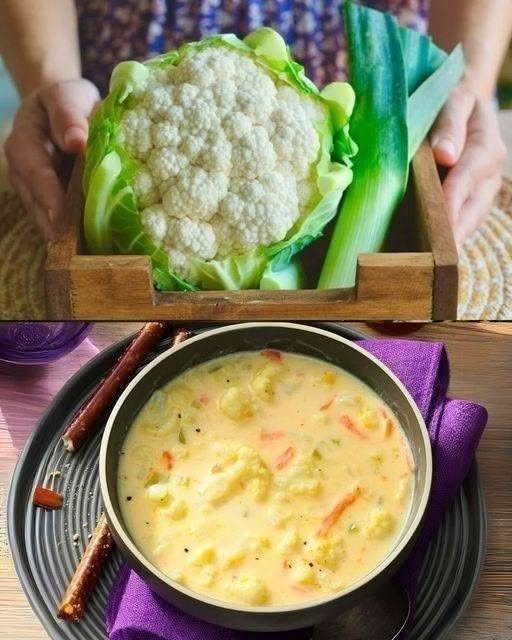
Easy Homemade Vegetable Soup Recipe: Hearty, Healthy & Comforting
There are few things more comforting than a steaming bowl of homemade vegetable soup. Imagine lifting the lid from a simmering pot and being greeted by the cozy aroma of sweet onions, garlic, fresh herbs, and vegetables gently bubbling away in a rich, savory broth. The carrots are tender but still pleasantly firm, the potatoes are creamy, the beans add satisfying heartiness, and every spoonful tastes fresh, nourishing, and deeply comforting.
This easy vegetable soup is the kind of recipe you can make on a chilly evening, when you need something wholesome after a long day, or whenever your refrigerator is quietly asking to be cleaned out. It is colorful, inexpensive, naturally vegan, and wonderfully flexible.
Best of all, you don’t need fancy ingredients or complicated techniques. Just chop, sauté, simmer, and enjoy.
Why You’ll Love This Vegetable Soup Recipe
- Easy to make: Everything cooks in one pot, so cleanup is minimal.
- Budget-friendly: It relies on affordable vegetables, beans, broth, and pantry staples.
- Naturally vegan: No meat, dairy, or animal products are required.
- Nutrient-rich: A generous variety of vegetables provides fiber, vitamins, minerals, and antioxidants.
- Meal-prep friendly: Make a big batch and enjoy it throughout the week.
- Customizable: Swap vegetables according to the season or whatever you already have.
- Kid-friendly: The mild, savory flavor can be adjusted for younger palates.
- Freezer-friendly: Portion leftovers into containers and freeze them for busy days.
- Comforting but light: It is filling without feeling overly heavy.
Ingredients You’ll Need
This recipe makes approximately 6 servings.
Vegetables
- 1 tablespoon (15 ml) olive oil
- 1 medium yellow onion, finely diced — about 150 g (5.3 oz)
- 3 cloves garlic, minced — about 9 g (0.3 oz)
- 2 medium carrots, sliced — about 180 g (6.3 oz)
- 2 celery stalks, sliced — about 100 g (3.5 oz)
- 2 medium potatoes, peeled and diced — about 300 g (10.6 oz)
- 1 medium zucchini, diced — about 200 g (7 oz)
- 1 cup (150 g / 5.3 oz) green beans, cut into bite-size pieces
- 1 cup (150 g / 5.3 oz) canned or cooked kidney beans, drained and rinsed
- 1 cup (150 g / 5.3 oz) canned diced tomatoes, with their juices
Broth & Seasonings
- 6 cups (1.4 liters / about 48 fl oz) vegetable broth
- 1 teaspoon (2 g / 0.07 oz) dried oregano
- 1 teaspoon (1 g / 0.04 oz) dried thyme
- 1 bay leaf
- 1 teaspoon (5 g / 0.18 oz) salt, or to taste
- ½ teaspoon (1 g / 0.04 oz) freshly ground black pepper
- 1 tablespoon (15 ml) fresh lemon juice
- 2 tablespoons (8 g / 0.3 oz) chopped fresh parsley, for serving
Healthy Substitutions
Want to customize the pot? You have plenty of options.
- Replace potatoes with sweet potatoes for a naturally sweeter flavor and extra beta-carotene.
- Use low-sodium vegetable broth if you’re watching your sodium intake.
- Replace kidney beans with chickpeas, cannellini beans, or lentils.
- Add spinach or kale near the end for extra leafy greens.
- Use avocado oil instead of olive oil if preferred.
- For a lower-carbohydrate version, replace the potatoes with cauliflower, mushrooms, or extra zucchini.
Nutritional Information Per Serving
Approximate values will vary depending on the specific vegetables, broth, and beans used.
- Calories: approximately 230 kcal
- Protein: approximately 8 g
- Carbohydrates: approximately 38 g
- Fat: approximately 6 g
- Fiber: approximately 8 g
- Vitamin A: High, particularly from carrots
- Vitamin C: Good source, especially from tomatoes, zucchini, and vegetables
- Potassium: Good source from potatoes, beans, and vegetables
- Iron: Provides some iron from beans and vegetables
Dietary Information
This vegetable soup is:
- Vegan
- Vegetarian
- Dairy-free
- Egg-free
- Naturally nut-free
- Gluten-free, provided your vegetable broth is certified gluten-free
It is not keto in its traditional form because potatoes, carrots, beans, and tomatoes contribute a significant amount of carbohydrates. For a lower-carb version, omit the potatoes and beans and add mushrooms, cauliflower, spinach, and zucchini instead.
Kitchen Tools Needed
You don’t need a professional kitchen to make excellent soup.
You’ll need:
- Large heavy-bottomed soup pot or Dutch oven
- Sharp chef’s knife
- Cutting board
- Wooden spoon or heatproof spatula
- Measuring cups and spoons
- Ladle
- Vegetable peeler
- Airtight storage containers
A large pot is particularly useful because you want enough room for the vegetables and broth to simmer comfortably without splashing over the sides.
Step-by-Step Preparation
1. Prepare the Vegetables
Wash and prepare all your vegetables before turning on the stove. Dice the onion, slice the carrots and celery, cube the potatoes, and chop the zucchini and green beans.
Try to cut the vegetables into relatively similar bite-size pieces. This helps them cook evenly and means you won’t end up with tiny pieces of carrot disappearing while huge chunks of potato remain hard.
Pro tip: Keep the zucchini aside for later. It cooks faster than the carrots, celery, and potatoes.
2. Sauté the Aromatics
Place a large pot over medium heat and add the olive oil.
Add the diced onion and celery. Cook for approximately 4–5 minutes, stirring occasionally, until the onion becomes translucent and soft.
Add the minced garlic and cook for another 30–60 seconds.
You’ll know you’re ready for the next step when the kitchen smells intensely fragrant and the garlic is softened but not browned.
Don’t rush this stage. Sautéing the aromatics first builds the flavor foundation of the entire soup.
3. Add the Hearty Vegetables
Add the carrots and diced potatoes to the pot. Stir everything together and cook for about 2 minutes.
Sprinkle in the oregano, thyme, salt, and black pepper.
Stir well so the herbs coat the vegetables and become fragrant.
4. Pour in the Broth and Tomatoes
Add the vegetable broth, diced tomatoes, and bay leaf.
Increase the heat to medium-high and bring the soup to a gentle boil.
Once bubbling, reduce the heat to medium-low.
You want a gentle simmer—not an aggressive boil. Vigorous boiling can make delicate vegetables mushy and cause the broth to evaporate too quickly.
5. Simmer Until the Vegetables Are Tender
Cover the pot partially and simmer for approximately 15 minutes.
Then add the green beans and zucchini.
Continue cooking for another 8–10 minutes, or until the potatoes and carrots are fork-tender while the zucchini and green beans still retain some texture.
The ideal vegetable soup has contrast: tender vegetables, a flavorful broth, and a little bite remaining in the vegetables.
6. Add the Beans
Stir in the drained kidney beans and simmer for another 3–5 minutes, just until they are warmed through.
Adding the beans toward the end prevents them from becoming overly soft.
If the soup seems thicker than you’d like, add another ½–1 cup (120–240 ml) of vegetable broth or water.
7. Finish With Lemon Juice
Remove the bay leaf.
Stir in the fresh lemon juice.
This tiny finishing touch makes a surprisingly big difference. The lemon doesn’t make the soup taste overtly lemony; instead, its acidity brightens the savory broth and makes the vegetables taste fresher.
Taste and adjust the salt and pepper as needed.
8. Serve While Steaming Hot
Ladle the soup into bowls and scatter fresh parsley over the top.
For an extra cozy finish, add a drizzle of good olive oil or a sprinkle of freshly cracked black pepper.
Then comes the best part: dig in while the broth is steaming and the vegetables are tender.
Expert Cooking Tips & Mistakes to Avoid
Don’t Throw Everything Into the Pot at Once
Different vegetables cook at different speeds. Potatoes and carrots need more time than zucchini and leafy greens.
Adding everything simultaneously can leave you with some vegetables that are mushy and others that are undercooked.
Don’t Skip the Aromatics
It may be tempting to dump everything into the pot and walk away, but sautéing the onion, celery, and garlic first creates a much deeper flavor.
Those few extra minutes are absolutely worth it.
Avoid Overboiling
A gentle simmer is your friend. A rolling boil can break down vegetables too quickly and leave the soup cloudy and mushy.
Taste Before Serving
Vegetable broth varies dramatically in saltiness. Always taste the soup near the end and adjust the seasoning instead of relying entirely on the measurements.
Don’t Overcook the Zucchini
Zucchini can turn soft surprisingly quickly. Add it during the final stage so it remains tender rather than collapsing into the broth.
Use Acid to Wake Up the Flavor
If your finished soup tastes flat despite having enough salt, don’t automatically add more seasoning. A small splash of lemon juice or vinegar can often bring everything into balance.
Variations & Customizations
🌶️ Spicy Vegetable Soup
For a warming kick, add:
- ½ teaspoon red pepper flakes
- ½ teaspoon smoked paprika
- 1 finely chopped chili pepper
You can also drizzle a little chili oil over each serving.
🥬 Extra-Healthy Vegetable Soup
Load it up with even more vegetables. Add:
- 1 cup chopped spinach
- 1 cup mushrooms
- ½ cup broccoli
- ½ cup cauliflower
Add leafy greens during the final 2–3 minutes so they remain vibrant.
👧 Kid-Friendly Vegetable Soup
For children who are suspicious of anything green, keep the seasoning mild and cut the vegetables into small pieces.
You can also mash a small portion of the soup with a potato masher to create a slightly thicker texture. A little grated cheese on top can make the bowl especially appealing if you don’t need the recipe to remain vegan.
🍲 Creamier Vegetable Soup
For a naturally creamy texture without heavy cream, blend about 1–2 cups (240–480 ml) of the finished soup and stir it back into the pot.
The beans and potatoes create body without needing cream.
🫘 Protein-Packed Version
Increase the beans to 2 cups (300 g / 10.6 oz) or add cooked lentils. This turns the soup into a more substantial meal that keeps you satisfied for longer.
Storage & Reheating Instructions
Refrigerator
Allow the soup to cool reasonably before transferring it to airtight containers.
Store in the refrigerator for 3–4 days.
In fact, the flavor often becomes even better the next day as the herbs and vegetables have more time to mingle.
Freezer
Vegetable soup freezes well for approximately 2–3 months when stored in airtight, freezer-safe containers.
Leave a little space at the top because liquids expand as they freeze.
For best texture, slightly undercook the vegetables if you already know you’re planning to freeze the soup.
Best Reheating Method
For the stovetop, place the soup in a saucepan and warm over medium-low heat, stirring occasionally until steaming hot.
For a single serving, microwave it in a microwave-safe bowl in 60–90 second intervals, stirring between each interval.
If the soup has thickened in the refrigerator, add a splash of broth or water before reheating.
Serving Suggestions
A bowl of vegetable soup can absolutely stand on its own, but a few simple pairings can turn it into an unforgettable meal.
Serve it with:
- Crusty whole-grain bread for dipping
- Garlic toast
- Homemade dinner rolls
- A simple green salad
- Grilled cheese for the ultimate comfort-food combination
- Warm pita bread
- A spoonful of cooked rice or quinoa
- Fresh herbs and a drizzle of olive oil
For a cozy dinner, I love serving a steaming bowl alongside toasted bread rubbed with garlic. Dip that crisp, golden edge into the broth and let it soak up all those savory juices. It’s simple food, but sometimes simple food is exactly what you need.
Frequently Asked Questions
1. Can I use frozen vegetables?
Absolutely. Frozen peas, corn, green beans, spinach, and mixed vegetables are excellent additions. Add quick-cooking frozen vegetables toward the end so they don’t become overly soft.
2. Can I make vegetable soup without potatoes?
Yes. Replace the potatoes with cauliflower, mushrooms, zucchini, cabbage, or sweet potatoes. If you’re specifically aiming for a lower-carb soup, cauliflower and mushrooms are particularly useful substitutes.
3. Can I add chicken to this recipe?
Certainly. If you don’t need the soup to be vegan, add cooked shredded chicken near the end. You can also use leftover roast chicken to transform yesterday’s dinner into today’s soup.
4. Why does my vegetable soup taste bland?
The most common reasons are insufficient salt, weak broth, or a lack of acidity. Taste the soup first, then adjust salt and pepper. A small squeeze of lemon juice can dramatically brighten the finished soup.
5. Can I make this soup in a slow cooker?
Yes. Add the onion, garlic, carrots, celery, potatoes, tomatoes, broth, herbs, and seasonings to the slow cooker. Cook on LOW for 6–7 hours or HIGH for 3–4 hours. Add zucchini, green beans, and beans during the final 30–45 minutes when possible for better texture.
6. How can I make vegetable soup more filling?
Add beans, lentils, chickpeas, quinoa, barley, or pasta. Beans and lentils are especially useful because they add both protein and fiber.
7. Can I make this recipe ahead of time?
Definitely. Vegetable soup is one of those rare dishes that welcomes advance preparation. Make it a day ahead, refrigerate it, and gently reheat it when you’re ready to serve. The flavors often become richer overnight.
Final Thoughts
A good vegetable soup doesn’t need expensive ingredients, complicated techniques, or hours of work. It needs humble vegetables, a flavorful broth, thoughtful seasoning, and a little patience.
And perhaps that’s why this recipe feels so comforting.
It’s the kind of meal you can make when the weather turns cool, when you’re trying to eat more vegetables, when your grocery budget is tight, or simply when you want something warm waiting for you at the end of the day.
So grab your biggest pot, chop those colorful vegetables, and let your kitchen fill with the irresistible aroma of simmering herbs and garlic.
Make a pot of this easy vegetable soup, grab a warm piece of crusty bread, and give yourself a bowl of homemade comfort.