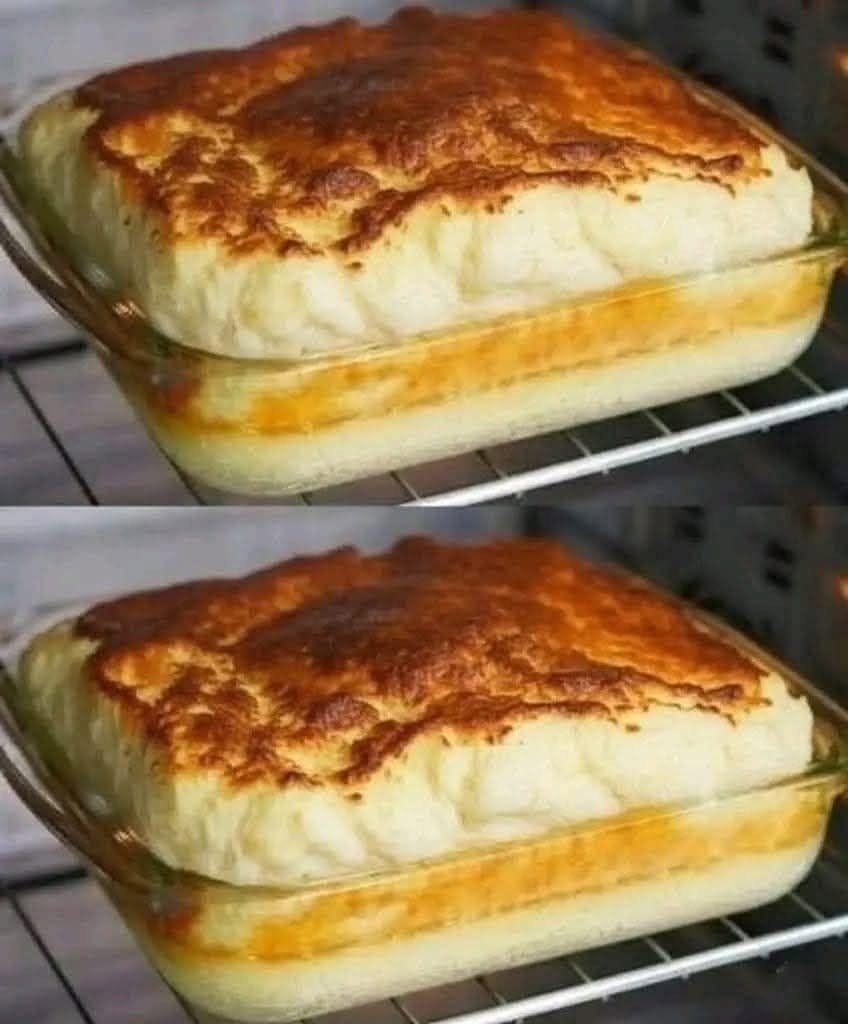
Zero Carb Carnivore Bread: Fluffy, Savory, and Surprisingly Bread-Like
Imagine pulling a warm loaf from the oven and hearing that faint, delicate crackle as the crust settles. You slice through the golden top and discover a soft, tender center that practically begs for butter, burger patties, bacon, or a thick layer of melted cheese.
Now imagine that this “bread” contains no flour, no grains, no wheat, and no traditional baking mix.
That’s the magic of Zero Carb Carnivore Bread.
If you’ve ever followed a carnivore or very-low-carb lifestyle and found yourself missing the comfort of bread, this recipe is about to become a favorite. It’s rich, savory, satisfying, and wonderfully simple. The outside develops a lightly browned crust while the inside stays soft and springy, giving you something you can slice, toast, stack, and serve alongside your favorite carnivore meals.
And the aroma? Think warm eggs, browned butter, and a subtle roasted-cheese richness filling the kitchen.
This isn’t ordinary bread—but when you’re craving something you can pick up and bite into, it comes surprisingly close to scratching that itch.
Why You’ll Love This Zero Carb Carnivore Bread
There are plenty of reasons to keep this recipe in your regular rotation:
- Carnivore-friendly: Made entirely from animal-based ingredients.
- No flour: There’s no wheat, almond flour, coconut flour, or other plant-based flour.
- Very low in carbohydrates: Depending on your specific ingredients and serving size, the bread can be extremely low-carb.
- High in protein: Eggs and cheese make this loaf naturally protein-rich.
- Simple ingredients: You only need a handful of easy-to-find ingredients.
- Freezer-friendly: Make a loaf ahead and freeze individual slices.
- Great for meal prep: Bake once and enjoy it throughout the week.
- Versatile: Use it for sandwiches, burgers, breakfast stacks, or as a side with steak.
- Naturally gluten-free: There are no wheat or gluten-containing ingredients.
- Comfort-food worthy: It gives carnivore eaters a satisfying bread-like option without relying on traditional flour.
One important note: “zero carb” is often used as a shorthand in carnivore recipes. Eggs and dairy can contain tiny amounts of naturally occurring carbohydrates, so the exact nutrition depends on the brands and ingredients you use. For a medically strict zero-carbohydrate diet, always check individual labels.
Ingredients With Exact Measurements
For 1 small loaf — approximately 8 slices
- 6 large eggs — about 300 g / 10.6 oz without shells
- 115 g full-fat cream cheese — 4 oz
- 85 g shredded mozzarella cheese — 3 oz
- 30 g unsalted butter, melted — 2 tablespoons / 1 oz
- 1/2 teaspoon fine sea salt — about 3 g
- 1/4 teaspoon baking soda — about 1 g, optional
Optional additions
For an even richer loaf, you can add:
- 30 g finely grated Parmesan — about 1 oz
- 1 tablespoon beef tallow — about 14 g / 0.5 oz, for a richer savory flavor
- A pinch of additional salt if your cheese is mild
Ingredient substitutions
For a stricter carnivore approach, choose ingredients with minimal additives.
You can substitute:
- Butter for beef tallow for a deeper beefy flavor.
- Mozzarella for cheddar if you prefer a sharper cheese flavor.
- Cream cheese for mascarpone if you want an especially rich texture.
- Freshly grated cheese for pre-shredded cheese when possible, as some packaged shredded cheeses contain starches or anti-caking ingredients.
If you’re aiming for the lowest possible carbohydrate count, check the nutrition labels on your dairy products carefully.
Nutritional Information Per Serving
The following is an approximate estimate for 1 of 8 slices using the ingredients above. Actual values vary by brand and ingredient choice.
- Calories: approximately 170–190
- Protein: approximately 9–11 g
- Carbohydrates: approximately 1–2 g
- Fat: approximately 14–16 g
- Fiber: 0 g
Dietary information
- Carnivore: Yes, when using animal-derived ingredients.
- Keto: Generally yes, depending on your daily carbohydrate targets.
- Gluten-free: Yes, provided all ingredients are certified gluten-free where necessary.
- Grain-free: Yes.
- Vegetarian: No.
- Vegan: No.
- Dairy-free: No.
For precise nutrition, calculate the recipe using the exact brands you purchase.
Kitchen Tools You’ll Need
You don’t need fancy equipment for this recipe.
Grab:
- 1 medium mixing bowl
- 1 large mixing bowl
- Electric hand mixer or stand mixer
- Rubber spatula
- 8 x 4-inch loaf pan
- Parchment paper
- Kitchen scale
- Measuring spoons
- Small saucepan or microwave-safe bowl for melting butter
- Wire cooling rack
- Serrated knife
A kitchen scale is especially useful here because the texture depends heavily on the balance between eggs, cheese, and fat.
Step-by-Step Preparation
Step 1: Prepare the Oven and Loaf Pan
Preheat your oven to 350°F (175°C).
Line an 8 x 4-inch loaf pan with parchment paper, leaving some paper hanging over the sides. Lightly grease the parchment with butter.
That little bit of preparation makes removing the finished loaf incredibly easy.
Pro tip: Don’t skip the parchment. Cheese-rich breads can stick more stubbornly than conventional flour breads.
Step 2: Soften the Cream Cheese
Place the cream cheese in a bowl and let it soften at room temperature for about 15–20 minutes.
If you’re short on time, microwave it gently in short intervals until soft—but don’t make it hot.
The goal is a smooth, creamy consistency.
Cold cream cheese tends to leave little lumps throughout the batter, and nobody wants to discover a pocket of cream cheese after slicing into their loaf.
Step 3: Separate the Eggs
Separate the eggs, placing the whites in one large mixing bowl and the yolks in another.
This step is the secret to giving your carnivore bread some of its lightness.
The whipped egg whites trap air, creating tiny bubbles throughout the batter. Those bubbles expand in the oven, helping the bread rise instead of turning into a dense egg casserole.
Step 4: Whip the Egg Whites
Using an electric mixer, beat the egg whites on medium-high speed until they become foamy.
Continue beating until they form medium-to-stiff peaks.
When you lift the beaters, the peaks should stand up with only a slight bend at the tip.
Don’t rush this step.
Properly whipped egg whites are one of the biggest differences between a fluffy carnivore loaf and a flat, rubbery one.
Step 5: Mix the Yolks and Cheese
In the second bowl, combine:
- Egg yolks
- Softened cream cheese
- Shredded mozzarella
- Melted butter
- Salt
- Optional baking soda
Mix until the mixture is as smooth as possible.
It may look thick and creamy. That’s exactly what you want.
If the melted butter is very hot, let it cool for a minute before adding it so you don’t accidentally cook the egg yolks.
Step 6: Fold Everything Together
Now comes the delicate part.
Add about one-third of the whipped egg whites to the yolk mixture.
Gently fold with a rubber spatula.
Once incorporated, add another third, fold again, and then finish with the remaining egg whites.
Do not aggressively stir.
The goal is to preserve as much air as possible.
Think of folding rather than mixing: scoop from underneath, lift, and turn the batter over itself.
A few small streaks of egg white are fine. Overmixing is not.
Step 7: Transfer to the Loaf Pan
Pour the batter into your prepared loaf pan.
Gently smooth the top with your spatula.
Tap the pan very lightly against the countertop once or twice to remove only large air pockets.
Don’t repeatedly bang the pan. You worked hard to whip those egg whites, so don’t knock all that precious air out now.
Step 8: Bake
Place the loaf in the center of your preheated 350°F (175°C) oven.
Bake for approximately 35–45 minutes.
Start checking around the 35-minute mark.
The loaf should be:
- Golden brown on top
- Firm around the edges
- Slightly springy when gently pressed
- Set in the center
If you insert a toothpick into the center, it should come out mostly clean.
If the top is browning too quickly, loosely cover the loaf with aluminum foil during the final 10 minutes.
Step 9: Cool Before Slicing
Remove the loaf from the oven and allow it to cool in the pan for about 10 minutes.
Then use the parchment paper to lift it onto a cooling rack.
Let it cool for another 20–30 minutes before slicing.
I know.
Waiting is difficult.
But slicing while the bread is piping hot can cause the soft interior to compress and become gummy.
Once cooled slightly, use a serrated knife and gently saw through the loaf.
You’ll see that beautiful contrast: a golden exterior surrounding a tender, cheesy center.
Step 10: Toast and Enjoy
For the ultimate experience, toast a slice in a skillet with a little butter.
Cook over medium-low heat until both sides become golden and slightly crisp.
The edges turn wonderfully savory while the center stays soft.
That’s when this bread really comes alive.
Expert Cooking Tips & Mistakes to Avoid
1. Don’t overmix the batter
This is the most common mistake.
If you aggressively mix the whipped egg whites into the cheese mixture, you’ll lose the air that gives the loaf its lighter texture.
Fix: Fold gently and stop as soon as everything is mostly combined.
2. Don’t use cold ingredients
Cold cream cheese can remain lumpy, while very cold eggs don’t whip as efficiently.
Fix: Let your eggs and cream cheese come close to room temperature before starting.
3. Don’t overbake
Overbaking can make the bread dry, firm, or overly eggy.
Fix: Start checking at 35 minutes and remove the loaf once the center is set.
4. Don’t slice immediately
A fresh loaf needs time to settle.
Fix: Cool for at least 20–30 minutes before cutting.
5. Watch your cheese labels
Some shredded cheeses contain starches or other ingredients that can increase carbohydrate content.
Fix: Read the ingredient label and choose the simplest cheese available.
6. Use the right pan size
A very large loaf pan spreads the batter too thin, while a very small pan can leave the center undercooked.
An 8 x 4-inch pan gives you a nicely shaped loaf.
Variations & Customizations
Spicy Carnivore Bread
Love a little heat?
Add a pinch of crushed chili flakes or a small amount of your preferred carnivore-compatible spicy seasoning.
For a cheesier version, replace the mozzarella with sharp cheddar.
The result is richer, bolder, and fantastic alongside burgers.
Extra-Rich Beef Tallow Version
Replace half or all of the butter with melted beef tallow.
The bread becomes more intensely savory, with a subtle roasted-beef character.
It’s particularly delicious toasted alongside steak.
Extra-Cheesy Version
Add 30 g (1 oz) Parmesan to the batter.
You can also sprinkle a little Parmesan over the top before baking for a browned, savory crust.
Kid-Friendly Version
Keep the flavor simple.
Use mild mozzarella, skip spicy additions, and cut the cooled bread into small squares.
Toast them lightly and serve alongside eggs, bacon, sausage, or burger patties.
The familiar cheesy flavor can make this a fun alternative for kids who are curious about carnivore-style eating.
Crispy Carnivore Toast
Slice the cooled bread thinly.
Brush both sides lightly with melted butter and toast in a skillet over medium-low heat until golden.
You’ll get crisp edges with a warm, tender center.
It’s especially good topped with a fried egg.
Storage & Reheating Instructions
Refrigerator
Store cooled slices in an airtight container in the refrigerator for up to 4 days.
Place parchment between slices if you want to prevent them from sticking together.
Freezer
This bread freezes beautifully.
Wrap individual slices tightly in parchment or freezer-safe wrapping, then place them in a freezer bag or airtight container.
For best quality, use within 2–3 months.
Freezing individual slices means you can grab exactly what you need instead of thawing the entire loaf.
Best Reheating Method
For the best texture, reheat in a skillet.
Place a slice in a lightly buttered skillet over medium-low heat and cook for 1–2 minutes per side.
You can also use a toaster if your slices are firm enough.
The microwave works in a pinch, but it can make the bread softer and slightly rubbery.
Serving Suggestions
Once you have a loaf of Zero Carb Carnivore Bread sitting in the kitchen, you’ll quickly discover that there are endless ways to use it.
Try it with:
- Crispy bacon and fried eggs
- Sausage and scrambled eggs
- Burger patties and melted cheese
- Steak and butter
- Pulled beef
- Ground beef patties
- Crispy pork belly
- Fried eggs with a sprinkle of salt
- Breakfast sausage
- A juicy beef burger
- Warm slices simply spread with butter
For a quick breakfast, toast two slices in butter and serve them beside eggs and bacon.
For lunch, use the bread to build a simple carnivore sandwich with leftover steak or burger patties.
And for dinner, serve a warm slice alongside a beautifully cooked steak. The bread is excellent for soaking up those delicious buttery juices.
Frequently Asked Questions
Is Zero Carb Carnivore Bread really zero carb?
Not necessarily in the literal nutritional sense. Eggs and dairy products can contain small amounts of naturally occurring carbohydrates. The term “zero carb” is commonly used for recipes designed to contain extremely little carbohydrate.
For strict carbohydrate tracking, calculate the nutrition using your exact ingredients and brands.
Does carnivore bread taste like regular bread?
It has a different flavor and texture because it contains no flour or grains. This version is savory, cheesy, and egg-rich, with a soft texture and lightly browned crust.
Toasting it makes the bread feel even more bread-like.
Why did my carnivore bread collapse?
Some settling is normal. However, significant collapse usually happens because the egg whites weren’t whipped enough, the batter was overmixed, or the loaf was removed from the oven before the center had fully set.
Make sure your egg whites reach medium-to-stiff peaks and fold them gently into the batter.
Can I make this recipe without cream cheese?
Yes. Mascarpone can be used as a rich substitute, although the flavor and texture will change slightly.
You can also experiment with other soft, full-fat cheeses, but because the recipe relies on a specific balance of moisture and fat, substitutions may require some experimentation.
Can I make carnivore bread ahead of time?
Absolutely.
In fact, it’s an excellent meal-prep recipe. Bake the loaf, cool it completely, slice it, and refrigerate or freeze individual portions.
That way, whenever a bread craving hits, you’ve already got a slice waiting.
Can I toast Zero Carb Carnivore Bread?
Yes—and I highly recommend it.
Toasting creates a slightly crisp exterior and intensifies the buttery, cheesy flavor. A skillet with a little butter is my favorite method.
How do I make the bread less eggy?
Use fresh eggs, don’t overbake the loaf, and add a little extra cheese for a stronger savory flavor.
Toasting the finished bread also helps shift the flavor from “egg-based” toward something more reminiscent of a savory bread.
Final Thoughts: Your New Carnivore Bread Staple
There are certain recipes that are useful, and then there are recipes that make you feel like you’re not missing out.
This Zero Carb Carnivore Bread belongs in the second category.
It’s warm, golden, cheesy, tender, and incredibly satisfying when you want something you can slice and hold in your hands. Whether you’re building a breakfast sandwich, serving steak with a buttery side, or simply craving a toasted piece of something comforting, this little loaf has you covered.
The best part?
You don’t need a pantry full of specialty ingredients. Just eggs, cheese, butter, a little salt, and a few simple techniques.
So preheat that oven, whip those egg whites, and get ready for the smell of warm, savory bread filling your kitchen.
Give this Zero Carb Carnivore Bread a try, then tell me how you served yours! Leave a comment with your favorite carnivore topping, save the recipe for your next meal-prep day, and share it with someone who misses bread on a carnivore or low-carb lifestyle.