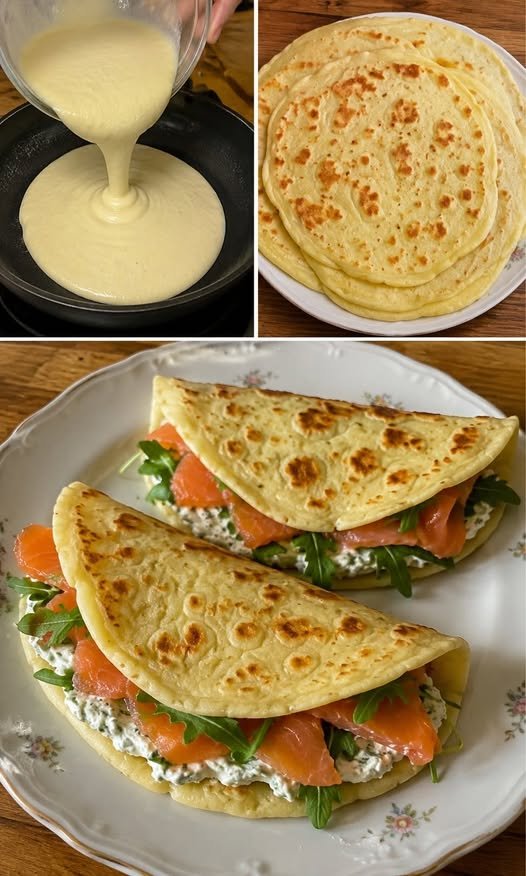
Chickpea Flatbreads: Easy, Crispy, Gluten-Free Homemade Flatbread
There’s a moment when these chickpea flatbreads come out of the oven that makes the whole recipe worthwhile.
The edges are deeply golden and crisp, the center is tender and savory, and the warm aroma of toasted chickpea flour and olive oil fills the kitchen. Tear off a piece while it’s still warm, dip it into creamy hummus, and you get that irresistible contrast of crisp edges, soft middle, earthy chickpeas, and fragrant herbs.
And somehow, this impressive-looking flatbread comes together with just a handful of inexpensive ingredients.
No yeast. No kneading. No complicated dough. No waiting for bread to rise.
Just chickpea flour, water, olive oil, seasoning, and a little patience.
The first time you make chickpea flatbreads, you may wonder how something so simple can taste so satisfying. But once you learn the trick—a thin batter, a well-rested mixture, and a very hot pan—you’ll have a wonderfully versatile recipe you can return to whenever you want homemade bread without the fuss.
Whether you serve these flatbreads beside soup, use them as a gluten-free appetizer, or pile them high with roasted vegetables and creamy dips, they’re the kind of recipe that feels both rustic and special.
Why You’ll Love These Chickpea Flatbreads
- Easy to make: No kneading or yeast required.
- Budget-friendly: Chickpea flour and pantry staples are inexpensive.
- Naturally gluten-free: Chickpea flour contains no wheat gluten.
- Naturally vegan: No eggs, dairy, or animal products are needed.
- Protein-rich: Chickpea flour provides plant-based protein.
- Good source of fiber: Perfect for adding more fiber to your meals.
- Crispy and tender: Golden edges surround a soft, flavorful center.
- Highly customizable: Add herbs, spices, vegetables, or seeds.
- Kid-friendly: Keep the seasoning mild and serve with a favorite dip.
- Make-ahead friendly: The batter can be prepared in advance.
- Perfect for entertaining: Cut into wedges and serve as an appetizer.
- No special bread-making skills: If you can whisk, you can make these.
Ingredients for Chickpea Flatbreads
This recipe makes approximately 8 wedges, or 4 generous servings.
For the Flatbread
- 1 cup chickpea flour — 120 g / 4.2 oz
- 1 cup water — 240 ml / 8 fl oz
- 2 tablespoons extra-virgin olive oil — 30 ml / 1 fl oz
- ½ teaspoon fine sea salt — approximately 3 g / 0.1 oz
- ¼ teaspoon black pepper — approximately 0.5 g
- ½ teaspoon garlic powder — approximately 1.5 g, optional
- ½ teaspoon dried rosemary or thyme — approximately 0.5 g, optional
For the Pan
- 1 tablespoon olive oil — 15 ml / ½ fl oz
Optional Garnishes
- 1 tablespoon fresh rosemary
- 1 tablespoon chopped parsley
- ½ teaspoon smoked paprika
- ½ teaspoon sesame seeds
- A pinch of chili flakes
- Lemon zest
Choosing Chickpea Flour
Look for finely milled chickpea flour, sometimes labeled gram flour or besan. Different brands can vary slightly in how much liquid they absorb, so use the texture of the batter as your guide.
You want a batter that is thin and pourable, similar to crepe batter.
Healthy Substitutes
This recipe is already quite simple, but there are several ways to adjust it.
Reduce the Oil
You can reduce the oil slightly, although olive oil contributes significantly to the crisp edges and rich flavor.
Add More Herbs
Fresh parsley, cilantro, rosemary, thyme, or basil can add flavor without significantly changing the recipe.
Add Vegetables
Finely chopped spinach, grated zucchini, roasted peppers, or thinly sliced onions can be added in modest amounts.
Pat watery vegetables dry first so they don’t make the flatbread soggy.
Lower-Sodium Version
Reduce the salt and rely on garlic, herbs, lemon zest, black pepper, and smoked paprika for flavor.
Nutritional Information Per Serving
Approximate values based on 4 servings, before additional toppings or dips.
- Calories: approximately 200–220
- Protein: approximately 7–8 g
- Carbohydrates: approximately 25–27 g
- Fat: approximately 8–10 g
- Fiber: approximately 4–5 g
- Sugar: approximately 3–4 g
Chickpea flour naturally provides nutrients including folate, iron, magnesium, phosphorus, potassium, and manganese, along with plant-based protein and fiber.
Dietary Information
- Vegan: Yes
- Vegetarian: Yes
- Gluten-free: Yes
- Dairy-free: Yes
- Egg-free: Yes
- Keto: No, because chickpea flour contains a significant amount of carbohydrates
- Nut-free: Yes, provided no nut-based toppings or dips are added
If you need to follow a strict gluten-free diet, check the packaging of your chickpea flour and other ingredients for cross-contact warnings.
Kitchen Tools Needed
The beauty of this recipe is that you don’t need a bread machine or stand mixer.
You’ll need:
- Large mixing bowl
- Whisk
- Measuring cups and spoons
- Kitchen scale, optional but recommended
- 10–12-inch cast-iron skillet or oven-safe baking dish
- Spatula
- Oven mitts
- Knife or pizza cutter
- Cooling rack, optional
A cast-iron skillet is particularly useful because it holds heat beautifully and helps create those deeply browned, crispy edges.
How to Make Chickpea Flatbreads
Step 1: Whisk the Chickpea Flour
Place 1 cup (120 g / 4.2 oz) chickpea flour in a large bowl.
Add the salt, black pepper, garlic powder, and dried herbs if using.
Whisk everything together.
Breaking up any flour lumps now makes the final batter much smoother.
Step 2: Add the Water Gradually
Slowly pour in 1 cup (240 ml / 8 fl oz) water, whisking continuously.
Don’t dump all the water in at once.
Adding it gradually helps prevent stubborn lumps.
The finished batter should be smooth and thin—more like crepe batter than pancake batter.
If it looks thick, add another 1–2 tablespoons of water.
Step 3: Add Olive Oil
Whisk 1 tablespoon olive oil into the batter.
The oil adds richness and helps produce a beautifully tender interior.
Cover the bowl and let the batter rest for at least 30 minutes.
For even better flavor and texture, you can refrigerate the batter for several hours or overnight.
Step 4: Preheat the Oven and Pan
About 10–15 minutes before baking, place your cast-iron skillet or oven-safe baking dish in the oven.
Preheat to 450°F (230°C).
You want the pan extremely hot before the batter goes in.
This is one of the most important details in the entire recipe.
A hot pan helps the batter begin cooking immediately, giving the edges that irresistible fried-like crispness without actually deep-frying the flatbread.
Step 5: Add the Oil
Carefully remove the hot pan from the oven.
Add the remaining 1 tablespoon olive oil.
Tilt and rotate the pan carefully to coat the bottom.
Be cautious—both the pan and oil will be extremely hot.
Step 6: Pour in the Batter
Immediately pour the rested batter into the hot skillet.
You should hear a gentle sizzle as the batter meets the pan.
That sound is exactly what you want.
If the batter doesn’t sizzle at all, the pan may not have been hot enough.
Step 7: Add Your Toppings
Sprinkle the surface with fresh rosemary, parsley, sesame seeds, smoked paprika, or chili flakes.
For a classic Mediterranean-style version, fresh rosemary and a little black pepper are wonderful.
Keep toppings relatively light so the flatbread can cook evenly.
Step 8: Bake
Place the pan in the center of the preheated oven.
Bake for approximately 15–20 minutes.
The surface should become golden and set, while the edges should look noticeably darker and crisp.
If you prefer a deeply browned top, switch to the broiler for 1–2 minutes at the end.
Watch carefully during this stage. The flatbread can go from beautifully browned to burnt surprisingly quickly.
Step 9: Rest Briefly
Remove the skillet from the oven.
Allow the flatbread to rest for approximately 5 minutes.
This gives the center time to firm slightly while keeping the inside tender.
Step 10: Slice and Serve
Run a spatula underneath the flatbread to loosen it from the pan.
Cut into wedges with a sharp knife or pizza cutter.
Serve immediately while warm.
The edges should be crisp, golden, and slightly caramelized, while the middle remains soft and savory.
Expert Cooking Tips & Mistakes to Avoid
1. Don’t Skip the Resting Time
Chickpea flour needs time to fully absorb the water.
A rushed batter can taste slightly raw and have a less cohesive texture.
Give it at least 30 minutes whenever possible.
2. Use a Very Hot Pan
This is perhaps the biggest secret.
If the pan isn’t hot enough, the flatbread may turn out pale and soft rather than beautifully browned.
Preheating the pan is just as important as preheating the oven.
3. Don’t Make the Batter Too Thick
A thick batter produces a heavier flatbread.
If necessary, add water a tablespoon at a time until the batter flows easily from the whisk.
4. Don’t Overload It With Toppings
It can be tempting to pile on vegetables, cheese alternatives, and herbs.
But too many toppings add moisture and weight, preventing the flatbread from developing a crisp surface.
5. Watch the Broiler
Broiling is excellent for achieving that final golden finish, but don’t walk away.
Check it every 20–30 seconds.
6. Let It Cool for a Few Minutes
Straight from the oven, the center may seem softer than expected.
After five minutes, the texture becomes easier to slice while remaining wonderfully tender.
Variations & Customizations
Spicy Chickpea Flatbread
If you love a little heat, add:
- ½ teaspoon chili flakes
- ¼ teaspoon cayenne pepper
- ½ teaspoon smoked paprika
- A pinch of ground cumin
Serve with cooling cucumber yogurt or hummus.
For serious spice lovers, add finely sliced fresh chili peppers before baking.
Mediterranean Chickpea Flatbread
Add:
- Fresh rosemary
- Chopped parsley
- Thinly sliced red onion
- A few chopped olives
- Lemon zest
Serve warm with hummus, cucumber, tomatoes, and a drizzle of olive oil.
Healthy Vegetable Version
Add a small handful of:
- Finely chopped spinach
- Grated zucchini
- Roasted red pepper
- Green onions
Make sure vegetables are well drained and patted dry.
Kid-Friendly Chickpea Flatbread
Keep the flavor gentle.
Use only:
- Salt
- A tiny amount of garlic powder
- Mild herbs
Cut the flatbread into small triangles and serve with hummus, mild yogurt dip, or mashed avocado.
You can also turn the wedges into fun dipping pieces for lunchboxes or after-school snacks.
Herby Garlic Version
Add:
- 1 minced garlic clove
- 1 teaspoon dried Italian herbs
- 1 tablespoon fresh parsley
The aroma while this version bakes is absolutely wonderful.
Storage & Reheating Instructions
Refrigerator
Allow the flatbread to cool completely.
Store in an airtight container with parchment paper between pieces.
Refrigerate for 3–4 days.
Freezer
Chickpea flatbreads freeze surprisingly well.
Wrap individual pieces tightly in parchment or plastic wrap and place them in a freezer-safe bag.
Freeze for up to 2 months for best quality.
Best Reheating Method
For crisp edges, the oven or air fryer is best.
Oven: Heat at 375°F (190°C) for 5–8 minutes.
Air fryer: Heat at 350°F (175°C) for 3–5 minutes.
Skillet: Warm over medium heat for several minutes per side.
Microwaving works when you’re in a hurry, but the flatbread will become softer rather than crisp.
Serving Suggestions
There are almost endless ways to serve chickpea flatbreads.
With Dips
Try them with:
- Hummus
- Baba ganoush
- Tzatziki
- Tahini sauce
- Avocado dip
- Whipped feta
- Garlic yogurt
Alongside Soup
Their hearty texture makes them excellent with:
- Lentil soup
- Tomato soup
- Vegetable soup
- Chickpea stew
- Moroccan-style soups
Use the flatbread to scoop up every last spoonful.
For Lunch
Top a warm wedge with hummus, roasted vegetables, cucumber, tomato, and fresh herbs.
You can also use larger pieces as a gluten-free base for an open-faced sandwich.
For Breakfast
Serve with:
- Fried or scrambled eggs
- Avocado
- Fresh tomatoes
- Sautéed spinach
- A spoonful of hummus
A drizzle of olive oil and pinch of flaky salt finishes everything beautifully.
Frequently Asked Questions
1. Is chickpea flatbread gluten-free?
Yes. Chickpea flour is naturally gluten-free, so this recipe contains no wheat flour. If you need strict gluten-free food, choose ingredients labeled or certified gluten-free where appropriate.
2. Why does my chickpea flatbread taste bitter?
Chickpea flour naturally has an earthy flavor, but a strongly bitter or unpleasant taste may indicate old or stale flour.
Use fresh chickpea flour and allow the batter to rest before baking.
3. Why is my flatbread soggy?
The most common reasons are an insufficiently hot pan, too much liquid, excessive toppings, or underbaking.
Make sure your skillet is thoroughly preheated and the batter remains thin.
4. Can I make chickpea flatbread ahead of time?
Yes.
The batter can be prepared and refrigerated for up to 24 hours. Whisk it thoroughly before baking because the flour may settle.
5. Can I cook chickpea flatbread on the stovetop?
Yes, although the texture will be somewhat different.
Pour a thin layer of batter into a well-oiled, preheated skillet and cook over medium heat until set and browned, then flip carefully and cook the other side.
6. Can I use chickpea flour instead of regular flour in other flatbread recipes?
Not always as a direct one-to-one substitution.
Chickpea flour behaves differently from wheat flour because it contains no gluten. Recipes specifically developed for chickpea flour generally give more reliable results.
7. Is chickpea flatbread high in protein?
Compared with many traditional wheat-based flatbreads, chickpea flour provides a useful amount of plant-based protein. The exact amount depends on the serving size and recipe.
Final Thoughts
There are recipes that ask you to knead, proof, shape, and wait.
And then there are recipes like this one.
Chickpea flatbreads take a few humble ingredients and turn them into something golden, fragrant, crisp, and deeply satisfying.
The secret isn’t complicated. Let the batter rest. Get the pan seriously hot. Use enough olive oil to encourage those beautiful browned edges. Then let the oven do the work.
Soon, you’ll be standing in your kitchen with a warm wedge in your hand, the aroma of toasted chickpea flour and herbs floating through the air, wondering how such an uncomplicated recipe could taste this good.
Serve it with hummus for a quick snack, alongside soup for dinner, or topped with roasted vegetables for lunch.
And don’t be afraid to make it your own.
Add rosemary. Add chili. Add caramelized onions. Keep it simple. Make it crispy. Tear off a piece while it’s warm.
Once you try these chickpea flatbreads, they just might become one of those recipes you keep coming back to whenever you want something easy, wholesome, and wonderfully homemade.
If you make this recipe, leave a comment and tell me which variation you tried. And if you loved it, share the recipe with a friend who enjoys simple, delicious homemade bread!