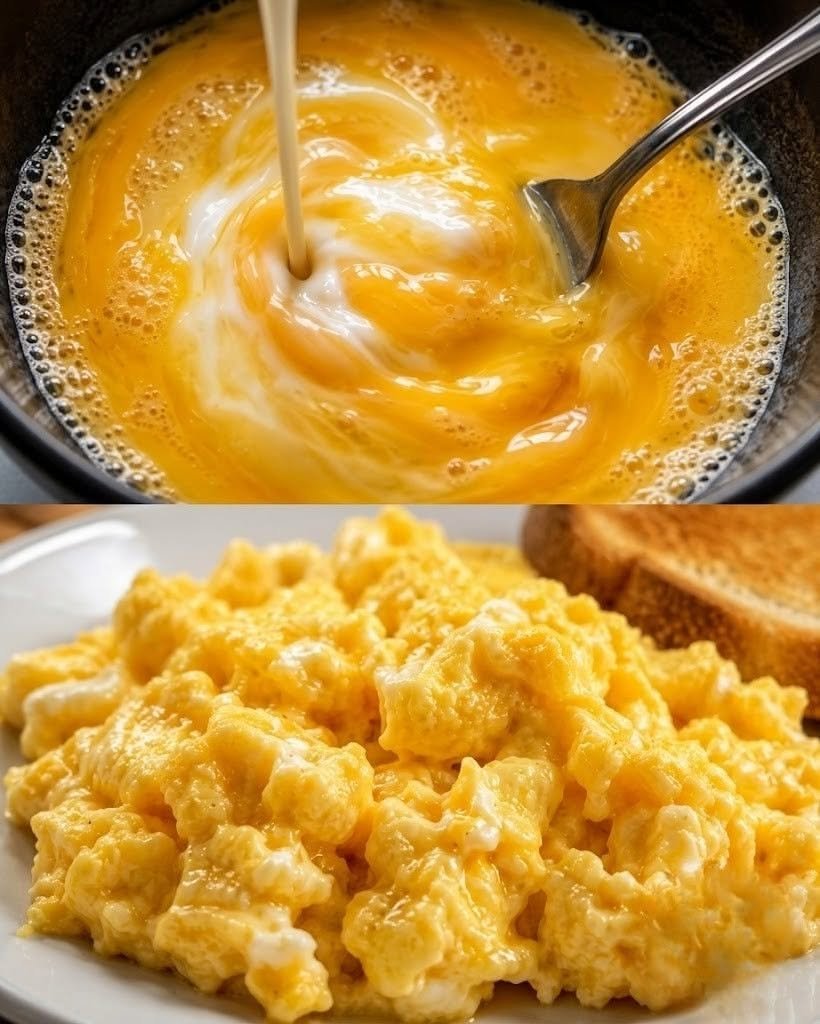
The Ultimate Guide to Perfect Fluffy Scrambled Eggs
Nothing beats the comforting simplicity of a hot plate of perfectly cooked scrambled eggs in the morning. Many people believe that making this classic breakfast favorite is so simple that it requires no real thought or technique. They throw their eggs into a smoking hot pan, stir them aggressively, and end up with dry rubbery bits that need a lot of ketchup to taste good. The wonderful truth is that you can create the most velvety, soft, and luxurious breakfast using just a few fresh eggs and a single simple cooking secret. This comprehensive guide will show you exactly how to transform an ordinary morning staple into a restaurant quality masterpiece with very little effort.
This specific kitchen recipe relies on a gentle heat management technique that preserves the delicate proteins inside the egg whites and yolks. When eggs cook too fast over a high flame, their protein bonds tighten up quickly and squeeze out all the natural moisture. By whisking the mixture thoroughly beforehand and cooking it slowly over low heat, you allow the moisture to stay trapped inside the setting curds. This process creates a beautiful cloud like texture that feels amazingly light and creamy on your tongue. You get a premium quality result without needing any expensive kitchen gadgets, fancy ingredients, or formal culinary training.
Once you master this incredibly basic cooking technique, your morning breakfast options become absolutely endless. You can fold in fresh garden herbs like chives, stir in rich cream cheeses, top your plate with smoked salmon, or slide the fluffy eggs inside a toasted brioche bun for a gourmet sandwich. Making the perfect breakfast right in your own home kitchen lets you jumpstart your day with a high quality source of clean fuel. It is a fantastic daily habit that takes under ten minutes from start to finish, bringing immediate satisfaction and steady energy to your morning routine.
Preparation Time and Serving Details
To help you organize your morning routine and prepare your kitchen space, here is a quick overview of the time requirements and total yield for this simple breakfast project.
-
Preparation time: Three minutes
-
Cooking time required: Five minutes
-
Total wait time: Eight minutes
-
Total servings: Two people
-
Total yield: Two plates of perfectly soft eggs
Simple Ingredients for Fluffy Scrambled Eggs
You do not need any rare or costly specialty items to create a wonderful batch of this morning favorite. These everyday kitchen ingredients are cheap and can be found in almost any refrigerator or neighborhood market.
-
Four large fresh eggs: Choose high quality eggs with bright shells for the best flavor and a rich golden color.
-
One tablespoon of whole milk: Adding a small splash of dairy milk introduces a tiny bit of extra moisture that helps steam the eggs into a fluffier cloud.
-
One tablespoon of unsalted butter: Used to coat the pan and add a rich, velvety mouthfeel to the final dish.
-
One pinch of fine sea salt: A small shake of salt enhances the natural savory richness of the eggs without overpowering them.
-
One pinch of ground black pepper: Adds a tiny hint of warmth and visual contrast to the beautiful yellow curds.
How to Make Scrambled Eggs Step by Step
Follow these clear and direct instructions to achieve a beautiful plate of breakfast eggs that features a tender texture and a buttery finish.
Important Kitchen Notes for Absolute Success
The Power of Low Heat Cooking
The absolute biggest mistake people make is turning the stove dial up to high heat because they are in a rush. High heat causes the eggs to blister, brown, and dry out in seconds. Keeping your heat low gives you complete control over the texture and guarantees a silky smooth finish every single time.
Never Salt Too Early
While some chefs prefer to salt their eggs right before cooking, you should never let raw egg liquid sit with salt inside it for an extended period. Salt can break down the structure of the raw egg if left alone for too long, making the final cooked texture slightly watery instead of holding its fluffy shape.
Choose the Right Pan Type
A dedicated nonstick skillet is your absolute best friend when cooking delicate egg dishes. Traditional stainless steel or cast iron pans can easily trap the egg protein in their tiny surface pores, causing the eggs to stick stubbornly, burn, and tear apart when you try to move them.
When to Pull from the Heat
Always remember that eggs continue to cook for a minute after you slide them out of the pan. If your scrambled eggs look completely dry while they are still sitting on the hot stove burner, they will end up overcooked and rubbery by the time you carry them to your dining table. Always pull them off the heat while they still look slightly wet.
Frequently Asked Questions
Can I use water instead of milk?
Yes, you can substitute a tablespoon of clean water for the whole milk. The water will actually create a slightly lighter and fluffier texture because it turns into steam very quickly as it cooks, though it will not provide the rich buttery flavor that dairy milk adds.
Why do my scrambled eggs leak water on the plate?
Leaking water is a classic sign of overcooking the proteins. When eggs are subjected to high heat or cooked for too long, the proteins tighten up like a wrung out sponge and push all the internal liquid out onto your clean breakfast plate.
Can I make this recipe completely dairy free?
Absolutely. To make this dish dairy free, simply omit the tablespoon of whole milk or swap it for an unsweetened almond milk. Replace the unsalted butter in the pan with a tablespoon of high quality olive oil or your favorite plant based butter substitute.
What are the best herbs to add to this breakfast?
Fresh herbs add a wonderful burst of color and a sophisticated flavor profile. Fine chives, fresh dill, sweet parsley, or green tarragon work beautifully. Always chop your herbs finely and sprinkle them over the top during the very last twenty seconds of cooking.
Can I use a microwave to scramble my eggs?
You can scramble eggs in a microwave safe mug by zapping them in twenty second intervals and stirring between each round. However, the texture will be significantly more spongy and less velvety than eggs cooked slowly in a traditional nonstick skillet on the stove.
Why do my eggs look grey or greenish?
A greenish gray tint occurs when eggs are cooked for too long at a high temperature, causing the sulfur in the egg whites to react chemically with the iron in the yolks. Keeping your cooking heat low and short prevents this harmless discoloration entirely.
Detailed Nutrition Information
The following tables provide the estimated nutritional values for this simple breakfast dish. These numbers can change slightly depending on the specific brands of butter and the exact size of the fresh eggs you use.
Recipe Totals and Per Serving Breakdown
| Nutritional Component | Amount Per Single Serving | Total Amount For Full Recipe |
| Total Calories | One hundred and eighty calories | Three hundred and sixty calories |
| Total Fat Content | Fourteen grams | Twenty eight grams |
| Saturated Fat | Six grams | Twelve grams |
| Cholesterol Level | Three hundred and seventy milligrams | Seven hundred and forty milligrams |
| Sodium Content | Two hundred and ten milligrams | Four hundred and twenty milligrams |
| Total Carbohydrates | One gram | Two grams |
| Dietary Sugars | One gram | Two grams |
| Protein Content | Thirteen grams | Twenty six grams |
Vitamin and Mineral Content
| Nutrient Type | Relative Percentage Value Per Serving |
| Vitamin A | Fifteen percent of your daily needs |
| Calcium | Six percent of your daily needs |
| Iron | Ten percent of your daily needs |
| Vitamin D | Twenty percent of your daily needs |
Important Food Safety and Health Disclaimer
This classic protein breakfast should always be enjoyed as part of a balanced and varied lifestyle. While whole fresh eggs provide a fantastic source of clean protein, healthy fats, and vital vitamins, they do contain a notable amount of dietary cholesterol which should be monitored if you are tracking specific cardiovascular health goals.
This specific recipe contains major food allergens including whole eggs and dairy products. If you are preparing breakfast for guests or family members, always verify that your loved ones do not suffer from severe dairy sensitivities or egg allergies. Always practice proper food safety by storing your raw eggs in the main body of your refrigerator rather than the warm door pockets, and wash your hands thoroughly with warm water and soap after cracking the shells.